Cultural Immersion Experiences for Older Adults – A Better Way to Travel
Top Destinations for Cultural Immersion Experiences
One of the unexpected gifts of retirement is the freedom to travel differently.
For decades, many of us travelled around work schedules, school calendars, limited vacation time, and competing responsibilities. We squeezed trips into one or two weeks and tried to see as much as possible before returning home.
We visited famous landmarks.
We checked attractions off a list.
We collected photographs.
We came home with souvenirs.
There is nothing wrong with that kind of travel. I enjoyed plenty of it myself.
But retirement changes the equation.
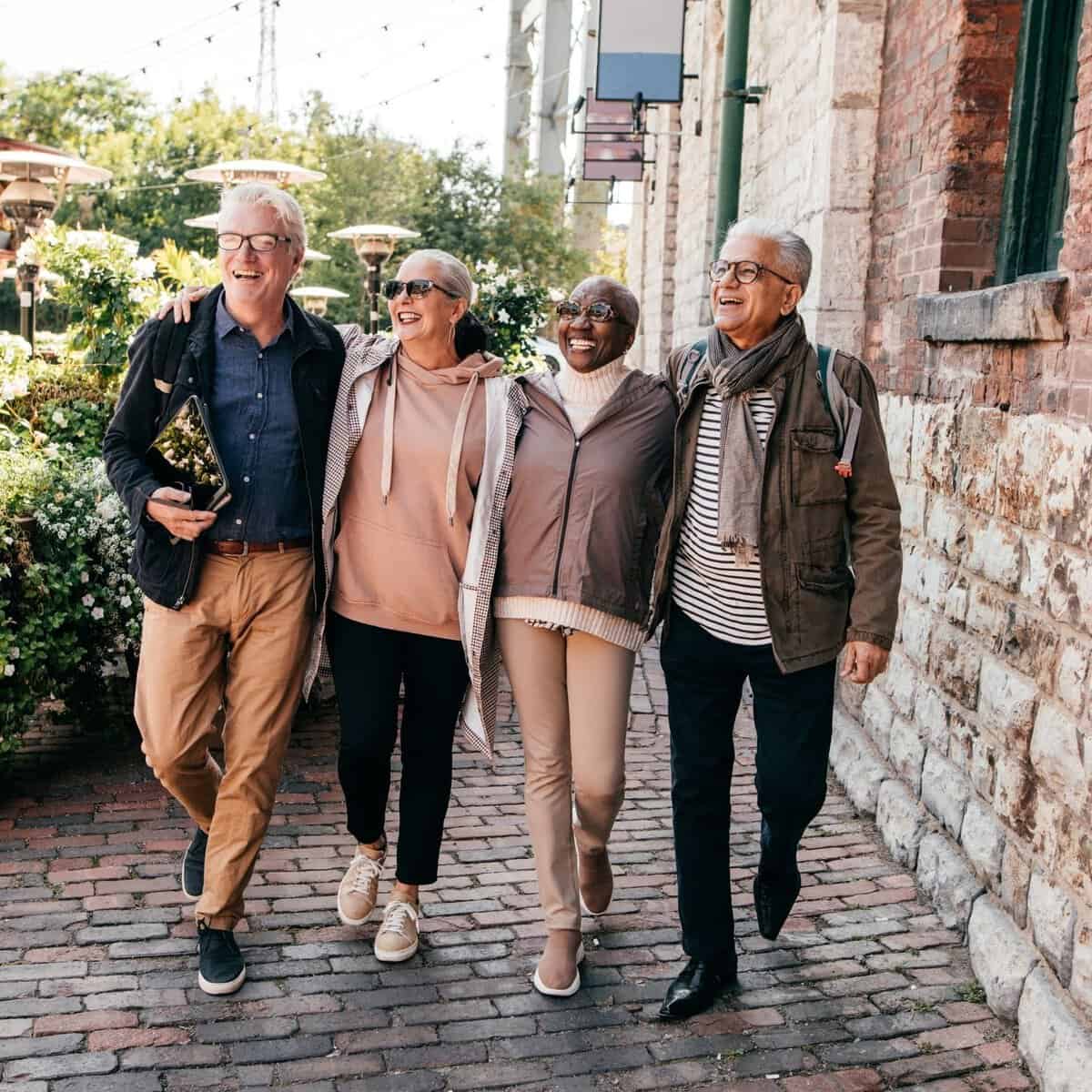
For the first time in decades, many retirees have enough time to move beyond sightseeing and begin understanding the people, traditions, customs, and cultures that make a destination unique.
That is the difference between tourism and cultural immersion.
The goal is no longer simply to see a place.
The goal is to experience it.
To learn from it.
To participate in it.
And perhaps to allow it to change us a little.
What Are Cultural Immersion Experiences?
Cultural immersion experiences involve actively engaging with the people, traditions, food, language, history, and daily life of a destination rather than simply observing it from the outside.
Instead of visiting a place, you temporarily become part of it.
That might mean taking a cooking class from a local chef, learning traditional crafts, attending community events, studying a language, volunteering, shopping in local markets, or simply spending enough time in one place to develop genuine relationships.
The goal is not perfection.
You do not need to speak the language fluently or understand every custom.
You simply need curiosity and a willingness to participate.
Why Cultural Immersion Experiences Matter More After Retirement
Young people often pursue cultural immersion through exchange programs, study abroad opportunities, or backpacking adventures.
Retirees possess something many younger travellers do not.
Time.
Patience.
Perspective.
Life experience.
Curiosity.
And perhaps most importantly, the freedom to slow down.
We no longer need to race through five cities in ten days.
We can spend a month in one community.
I like returning to the same coffee shop every morning.
We can attend language classes.
We can participate in local festivals.
And we can get to know people.
Retirement allows us to travel deeper instead of faster.
And the deeper we travel, the more we discover that cultural immersion is not simply about understanding other people.
It is also about understanding ourselves.
Enlightenment by Walking Around
Years ago, management experts Tom Peters and Robert Waterman popularised the concept of Management by Walking Around.
The idea was simple.
Managers learned more by leaving their offices than by sitting behind desks reviewing reports.
The best insights came from observing reality firsthand.
I have begun thinking about travel in much the same way.
Perhaps the most valuable cultural immersion experiences happen through what I jokingly call Enlightenment by Walking Around.
Not spiritual enlightenment.
Practical enlightenment.
The kind that comes from spending enough time in a place to understand why people live the way they do.
Guidebooks can tell us where to go.
Websites can tell us what to see.
Travel influencers can tell us what to photograph.
But understanding requires something else.
It requires participation.
You learn it while lingering over coffee in a neighbourhood café, and while shopping in local markets.
You learn it sitting beside people on public transportation, going to their festivals and through the conversations that were never part of the itinerary.
Understanding rarely arrives all at once.
It accumulates through hundreds of small observations.
And often those observations teach us as much about ourselves as they do about the destination.
For retirees, this may be one of the greatest gifts travel has to offer.
We finally have enough time to stop collecting destinations and start understanding people.
1. Japan: Respect, Ritual, and Everyday Excellence
Japan is one of the most rewarding cultural immersion experiences available because so much of its culture is expressed through everyday behaviour rather than tourist attractions.
Most visitors arrive expecting temples, cherry blossoms, and bullet trains.
Those are certainly worth experiencing.
But the deeper lessons often come from observing how Japanese society functions.
People queue patiently without barriers.
Public spaces are remarkably clean.
Service workers approach even simple tasks with pride and professionalism.
Courtesy is not performative. It is embedded in daily life.
Retirees willing to spend time beyond the major tourist centres can participate in tea ceremonies, stay in traditional ryokans, visit local neighbourhood markets, attend seasonal festivals, learn calligraphy, or join language exchanges.
The longer you stay, the more subtle Japan becomes.
What initially appears reserved often reveals itself as thoughtful.
What initially seems formal often reflects respect.
Japan rewards patience, observation, and curiosity. It may be one of the finest examples of Enlightenment by Walking Around.
2. Morocco: A Feast for the Senses
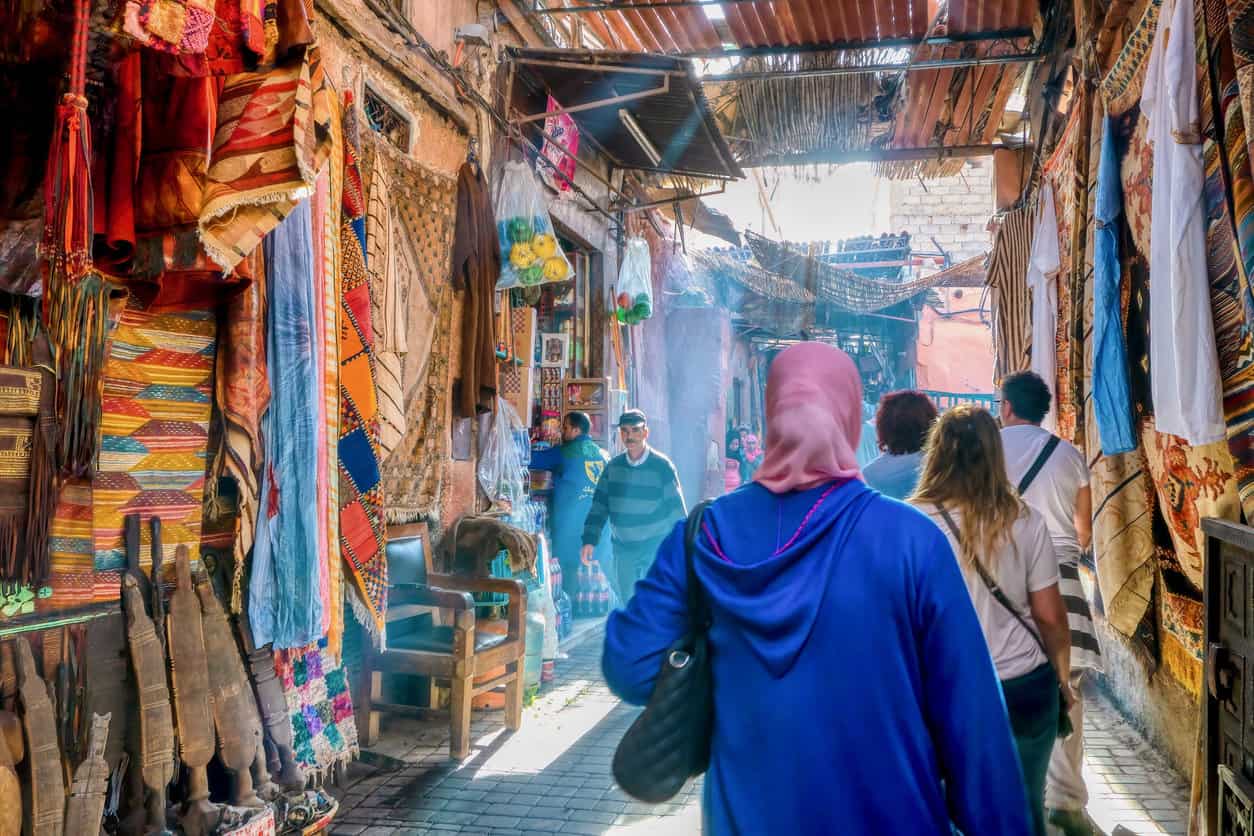
Morocco engages all five senses simultaneously.
The colours.
The aromas.
The architecture.
The sounds.
The conversations.
The country rewards travellers willing to move beyond the resort experience.
Stay in a traditional riad.
Take a cooking class.
Learn how spices are blended.
Visit local hammams.
Explore medinas with a guide.
Spend time in Berber communities.
Observe the rhythm of daily life.
Morocco teaches flexibility and curiosity. Things rarely unfold exactly as expected.
That is often where the most memorable experiences occur.
For many retirees, Morocco becomes a lesson in embracing uncertainty and remaining open to surprise.
3. Peru: Living History in the Andes
Peru offers far more than Machu Picchu.
The country’s cultural richness extends from bustling urban centres to remote Andean communities where traditions have been preserved for centuries.
Visitors can learn traditional weaving techniques from Indigenous artisans, explore local markets, participate in cooking classes, and spend time in villages where ancient agricultural practices remain part of everyday life.
The Sacred Valley offers particularly rewarding opportunities for cultural immersion.
Here, history is not something confined to museums.
It is woven into the landscape, the language, the food, and the daily routines of local communities.
Peru reminds us that modern life and ancient traditions can coexist.
It encourages visitors to think about continuity, heritage, and the ways culture survives through generations.
4. Bhutan: Rethinking What Matters
Few countries challenge Western assumptions as effectively as Bhutan.
Known for its philosophy of Gross National Happiness, Bhutan places a strong emphasis on well-being, community, environmental stewardship, and cultural preservation.
Visitors quickly discover that Bhutan measures success differently from many modern societies.
Monasteries, festivals, mountain villages, and traditional architecture provide the backdrop for deeper conversations about what constitutes a good life.
For retirees, Bhutan offers more than spectacular scenery.
It offers perspective.
The country’s values encourage reflection on achievement, contentment, community, and purpose.
It is difficult to spend time in Bhutan without questioning some of the assumptions many of us carry about success and happiness.
5. Italy: Food, Family, and Community
Many travellers visit Italy for the food.
The wise ones stay long enough to discover that food is merely the doorway into something larger.
Meals in Italy are social events.
Conversations linger.
Families gather.
Village life remains remarkably vibrant.
Visitors can immerse themselves by staying in agriturismos, attending cooking classes, learning regional recipes, participating in harvest festivals, shopping in local markets, and spending time in smaller towns where traditions remain deeply rooted.
One of Italy’s greatest lessons may be that productivity is not the only measure of a successful life.
Relationships matter.
Community matters.
Shared experiences matter.
Italy teaches us that life is meant to be lived, not merely managed.
6. Costa Rica: Learning the Meaning of Pura Vida
As someone who spends considerable time on Costa Rica’s Pacific Coast, I can tell you that Pura Vida is not simply a tourism slogan.
It is a philosophy.
Visitors often arrive expecting beaches, rainforests, wildlife, and adventure.
Costa Rica certainly delivers all of those.
But the deeper experience comes from understanding how Costa Ricans approach life.
Community matters.
Family matters.
Time is treated differently.
People linger.
Neighbours know one another.
Older adults remain active and visible within their communities.
One of the most rewarding cultural immersion experiences is simply spending time in a small town.
Visit the local soda.
Sit in the town square.
Watch families gather in the evening.
Talk to shop owners.
Attend community celebrations.
Explore farmers’ markets.
Witness an Olive Ridley turtle arribada in Ostional.
Learn why Nicoya became one of the world’s famous Blue Zones.
Costa Rica does not teach through lectures.
It teaches through observation.
Many retirees find themselves returning because they discover they enjoy the rhythm of life as much as the destination itself.
7. Thailand: Kindness, Hospitality, and Everyday Grace
Thailand is often celebrated for its beautiful beaches, bustling markets, and incredible food. Those attractions certainly deserve their reputation.
But what many travellers remember most is the people.
The warmth of Thai hospitality is not a tourism strategy. It is woven into the culture.
Respect, courtesy, and consideration are visible in countless small interactions throughout daily life.
Visitors seeking cultural immersion can explore local markets, attend cooking schools, learn about Buddhist traditions, participate in community festivals, or spend time in smaller towns where life moves at a gentler pace.
Temples provide opportunities to learn about Buddhist philosophy, while everyday interactions often reveal cultural values that prioritise harmony, patience, and kindness.
For retirees, Thailand offers an opportunity to observe how a society balances tradition and modernity while maintaining a strong sense of community.
Many visitors arrive for the scenery.
Many return because of the people.
8. India: A Challenge to Assumptions
India is not a passive travel experience.
It demands attention.
Challenges your assumptions.
It overwhelms and fascinates in equal measure.
For retirees interested in culture, philosophy, history, spirituality, food, and human complexity, few destinations offer greater opportunities for immersion.
India contains extraordinary diversity.
Languages.
Religions.
Traditions.
Foods.
Landscapes.
Ways of life.
A single visit rarely feels sufficient.
Cultural immersion in India often involves spending time beyond the iconic sites.
Take a cooking class.
Visit local markets.
Attend festivals.
Travel by train.
Stay longer in fewer places.
Talk to people.
Ask questions.
Listen carefully.
India has a remarkable ability to expose assumptions we didn’t know we were carrying.
That alone makes it one of the most transformative cultural immersion experiences available.
9. Greece: Conversations Across Millennia
History feels alive in Greece.
Ancient philosophy, mythology, democracy, art, and culture remain woven into everyday life.
Yet Greece is not simply a museum.
It is a living culture built around family, hospitality, community, food, and conversation.
Visitors who spend time beyond Athens often discover some of the country’s richest cultural experiences.
Village festivals.
Family-owned tavernas.
Local celebrations.
Island communities.
Long afternoons in neighbourhood cafés.
Greeks have a remarkable ability to turn meals into social events and conversations into art forms.
Retirees willing to slow down often discover that Greece teaches lessons about connection, hospitality, and the importance of enjoying the present moment.
The ruins tell one story.
The people tell another.
Both are worth hearing.
10. Australia: Ancient Cultures and New Perspectives
Many travellers think of Australia in terms of beaches, wildlife, and outdoor adventure.
Those experiences are certainly part of the country’s appeal.
But one of Australia’s most profound cultural immersion opportunities comes through learning about Aboriginal cultures and Indigenous perspectives.
Aboriginal history stretches back tens of thousands of years, making it one of the oldest continuous cultures on Earth.
Visitors can participate in guided cultural tours, storytelling experiences, art workshops, and educational programs that provide insight into Indigenous relationships with land, community, and place.
Australia also offers a unique blend of cultures shaped by immigration, geography, and a strong outdoor lifestyle.
For retirees, Australia provides opportunities to explore both ancient wisdom and contemporary multiculturalism within a single destination.
It is a country that encourages curiosity and rewards those willing to look beyond the obvious.
11. Egypt: Walking Through Human History
Few places connect travellers with the ancient world as directly as Egypt.
The pyramids.
The temples.
The tombs.
The Nile.
The scale of history is almost impossible to comprehend until you stand in front of it.
Yet cultural immersion in Egypt extends far beyond archaeology.
Modern Egypt is filled with vibrant markets, family traditions, local cafés, regional cuisine, and remarkable hospitality.
Visitors who move beyond the major tourist attractions often discover a society that values family, storytelling, resilience, and community.
Take time to explore local neighbourhoods.
Shop in traditional markets.
Enjoy long conversations over tea.
Learn about daily life rather than focusing solely on ancient monuments.
The historical sites may draw you in.
The people often become the lasting memory.
Egypt reminds us that civilisations are not simply built.
They are living.
12. Bali: Art, Spirituality, and Community
Bali has become famous for beaches, yoga retreats, and wellness tourism.
But beneath the tourism industry lies a deeply rooted culture that remains remarkably resilient.
Balinese life revolves around community, ceremony, craftsmanship, family, and tradition.
Visitors willing to engage more deeply can learn traditional arts, participate in cultural workshops, attend ceremonies, explore local markets, and observe how spiritual practices remain integrated into daily life.
Offerings appear on sidewalks.
Festivals transform villages.
Art is not confined to galleries.
It exists everywhere.
Bali offers retirees an opportunity to explore the relationship between creativity, spirituality, and community.
Even travellers who are not particularly spiritual often find themselves reflecting on how culture shapes the way people find meaning and connection.
The Retirement Exchange Program We Never Invented
One observation continues to nag at me.
We encourage young people to participate in exchange programs.
Promote and support our children’s study-abroad opportunities.
We understand the value of cultural immersion during early adulthood.
Yet we rarely create similar opportunities for retirees.
Why?
Retirees may have more time, greater flexibility, and a deeper appreciation for cultural learning than almost any other demographic.
Many of us spent decades raising families, building careers, paying mortgages, and meeting responsibilities.
Only later do we gain the freedom to travel more intentionally.
Perhaps what many retirees are seeking is not another vacation.
Perhaps they are seeking connection.
Learning.
Participation.
Belonging.
Perhaps they are seeking a deeper understanding of how other people live.
In some ways, the world needs a retirement version of the student exchange program.
I suspect there would be plenty of applicants.
Final Thoughts on Cultural Immersion Experiences
The best cultural immersion experiences are not really about travel.
They are about curiosity.
They remind us that there are countless ways to live, think, celebrate, work, age, and connect.
Retirement gives us something many previous stages of life could not.
Time.
Time to stay longer.
Time to ask questions.
Time to learn.
Time to listen.
Time to understand.
Perhaps the greatest gift of cultural immersion travel is not what it teaches us about other cultures.
Perhaps it is what it teaches us about ourselves.
The older I get, the more I believe that travel is not simply about collecting destinations.
It is about collecting perspective.
The countries themselves matter.
The food matters.
The history matters.
The landscapes matter.
But the most valuable lessons often come from the small moments.
A conversation with a stranger.
A meal shared with locals.
A morning spent watching daily life unfold in a town square.
A market vendor explaining a tradition.
A festival that wasn’t in the guidebook.
Those moments accumulate.
They broaden our understanding, challenge our assumptions.
They help us see the world—and ourselves—a little differently.
Perhaps that is the true value of cultural immersion experiences.
Not the stamps in our passports, photographs, or the souvenirs.
But the practical enlightenment that comes from paying attention.
The enlightenment that comes from walking around.
Cheers,
Cynthia
Founder | I’m Thinking of Retiring
More Reading
- Costa Rica in August: What to Expect During Green Season
- The Science of Retirement Transition: Why It Feels Harder Than Expected
- To Telic or Not to Telic: Why Retirement Feels Psychologically Strange
- How Retirement Transition Through Continuity May Make Life Easier
- Luxury Travel Without Waste: Smart Travel Strategies for Active Retirees

Cynthia Ross Tustin is the founder of I'm Thinking of Retiring, an online publication exploring the psychology, purpose, and everyday realities of life after work. A retired Fire Chief, former ICU and Emergency Room nurse, instructor, and policy writer, she combines lived experience, research, and a lifelong curiosity about human behaviour to write thoughtful essays on retirement, identity, purpose, friendship, and the ordinary moments that quietly reveal something larger. Through her Retirement Field Notes and Ordinary Tuesday series, she encourages readers to approach this next chapter with curiosity rather than certainty.