Hobbies for Retired Men: The Best Years of Life
Why Hobbies Matter More Than Ever in Retirement
One of the biggest surprises of retirement is not the lack of money.
It’s the abundance of time.
For decades, work provided structure, challenge, friendships, learning opportunities, and a sense of accomplishment.
Retirement removes many of those things all at once.
Hobbies help replace them.
The best hobbies provide more than entertainment. They provide purpose, learning, curiosity, social connection, and a reason to get out of bed in the morning.
Whether you’re newly retired or years into retirement, finding activities that keep you mentally, physically, and socially engaged can significantly improve your quality of life.
Are you a retired man, looking for something to do in your newly-found free time? There’s more to life than golf…at least that’s my observation! Let me share my research on some incredible hobbies that are perfect for retired men.
Shoulder-to-Shoulder Friendships
One of the unexpected benefits of hobbies in retirement has nothing to do with the hobby itself. It has to do with friendship.
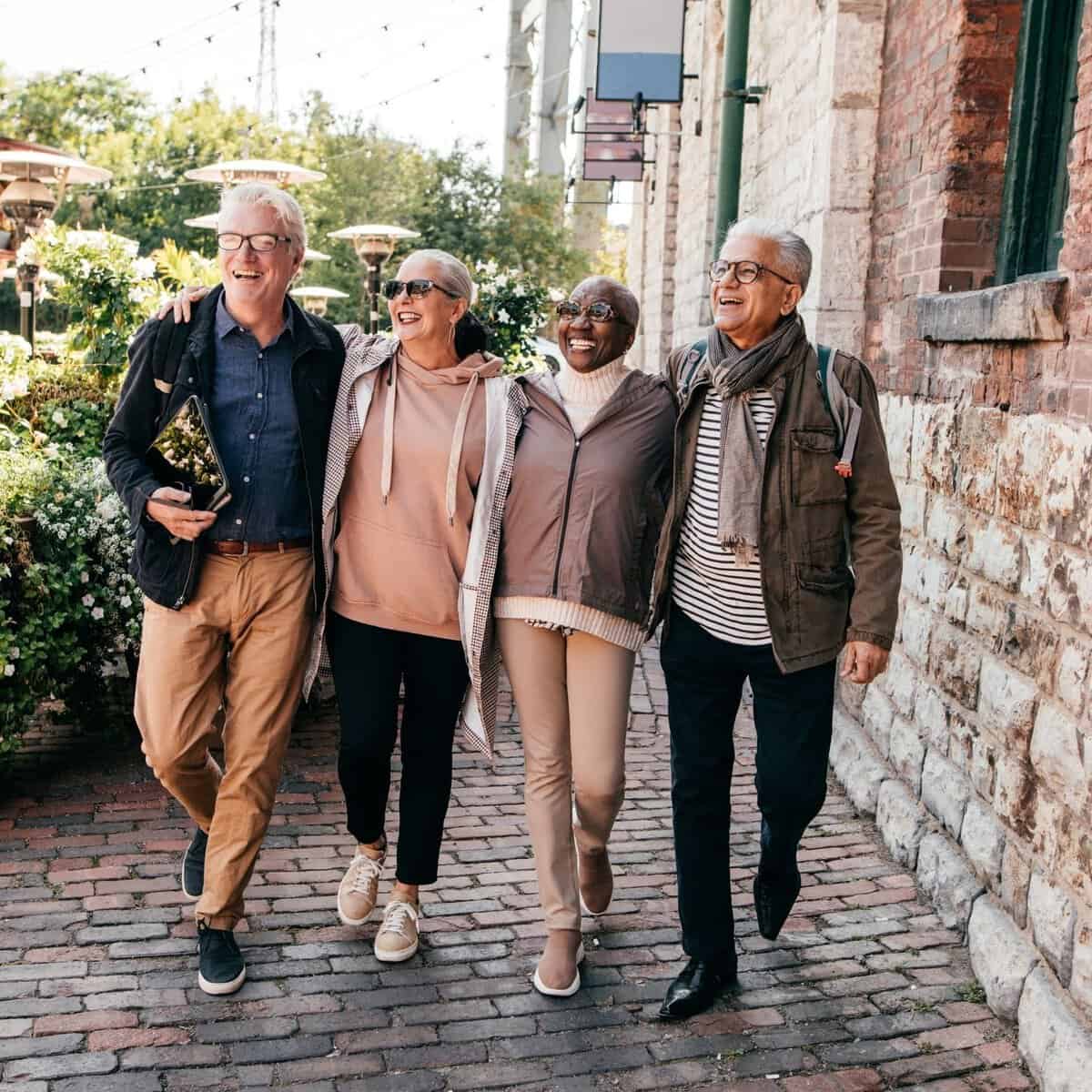
Making new friends as an adult can be surprisingly difficult. At work, friendships often develop naturally because we see the same people every day. Retirement removes many of those built-in opportunities for connection. Fortunately, hobbies create a similar environment. Whether you’re fishing, woodworking, hiking, restoring a classic car, volunteering, or learning photography, hobbies bring together people who already share a common interest.
In my experience, many men seem to connect best side-by-side rather than face-to-face. Give a couple of men a project, a fishing rod, a camera, a golf club, or even a broken mower deck to work on, and conversations tend to happen naturally. The activity becomes the focus, removing the pressure of direct conversation. Over time, familiar faces become acquaintances, acquaintances become friends, and friendships become part of the routine.
The best retirement hobbies provide more than entertainment. They provide purpose, learning, and what social psychologists sometimes call repeated passive contact. Simply spending time around the same people, doing something you genuinely enjoy, creates opportunities for friendships to develop organically. You may join a hiking club. You enjoy walking or being in a photography group because you want to improve your pictures. A few years later, you may discover that the people you met along the way have become one of the most valuable parts of the experience.
The best retirement hobbies often provide three things at the same time:
- Something interesting to do
- Something new to learn
- Someone to do it with
Outdoor Hobbies: Fresh Air, Purpose, and Stewardship
One of the best ways to reclaim your time in retirement is to spend more of it outdoors. Whether it’s gardening, fishing, birdwatching, hiking, photography, kayaking, or simply exploring local trails, outdoor hobbies offer much more than a way to pass the time. They encourage movement, curiosity, learning, and a deeper appreciation for the natural world.
Many retirees find that spending time in nature improves both their physical and mental well-being. Outdoor activities encourage walking, balance, and mobility while also providing a welcome break from screens, schedules, and everyday stress. There is something restorative about watching a sunrise from a fishing boat, spotting a new bird species, tending a garden, or spending an afternoon with a camera in hand, looking for wildlife.
Outdoor hobbies also provide an opportunity to become better stewards of the places we enjoy. Responsible anglers help protect fish populations. Birdwatchers often become advocates for habitat conservation. Gardeners support pollinators and local ecosystems. Hikers and photographers frequently develop a greater appreciation for parks, trails, forests, and wetlands. The more time we spend in nature, the more invested we become in protecting it for future generations.
One of the unexpected rewards of retirement is having the time to notice things we were often too busy to appreciate during our working years. A hobby that gets you outdoors can provide exercise, purpose, lifelong learning, and a renewed connection to the natural world—all at the same time.
Outdoor Hobbies for Retired Men
Some images in my post have been enhanced using AI
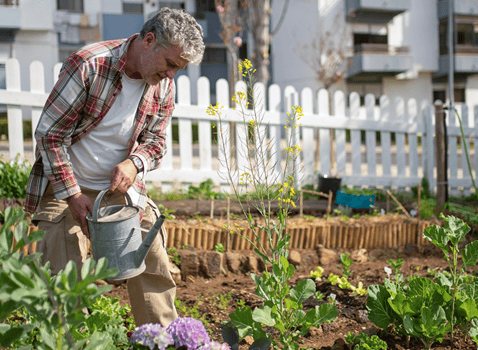
Gardening is Growing
Gardening allows retired people the chance to be creative on a larger scale. You choose and arrange plants, trees, and shrubs around your property. Gardening, aka landscaping, provides physical activity, fresh air and sun, and increased home value. All this, while heading out into nature regularly.
“Gardening” isn’t just pretty flowers and pulling ugly weeds. Maybe “gardening” in retirement is the time to explore some of those old-school philosophies. Growing your own food, for example. Feeling philanthropic? Grow an extra row or two in your garden and share it with the local food bank.
Take “gardening” up a notch by building your own self-sustaining irrigation system from stored rainwater. Maybe go soilless with hydroponics. Consider building a greenhouse from a kit ( we did).
Always wanted to “grow your own”? Marijuana is legal in many places. Try experimenting with different strains to improve your sleep or reduce joint pain. Or, I don’t judge, the best buzz.
Speaking of buzz. “Gardening” and beekeeping go hand in hand. Gather your own honey to put on your homegrown carrots.
And my final word(s) on “gardening” is don’t forget about growing your own grapes for wine, hops for beer, and apples for cider.
And if you need an expert opinion on the subject of gardening and retirement, check out my interview with Franki Flowers!
Fishing: Not Just My Grandfather’s Hobby
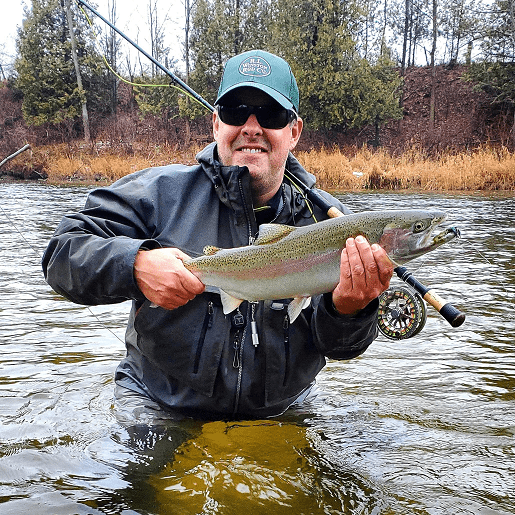
Fishing is another great hobby for retired or retiring men. Granted, it’s fun for everyone. But since it was my grandfather who taught me to catch and gut fish, I still think of it as kind of a manly activity.
It offers both tranquillity and competition! You can fish to relax and simply enjoy nature. Or you participate in some healthy competition in tournaments while making some extra cash. The choice is yours.
Fishing also offers “options.” And I mean “options” beyond bass vs trout. Fish from the shore or a boat. Fly fishing vs spin fishing. And I don’t mind sharing that deep-sea fishing is something that I love to do while in Costa Rica. Garza is an amazing place for it!
Fishing is also a hobby that can afford you the opportunity to travel – think ice fishing or deep-sea fishing!
Want to learn more about the intricacies of ice fishing? Read my post about ice fishing here in Ontario.
And by the way, Garza is just one of the many fabulous beach towns on Costa Rica’s Pacific Coast.
FAQ Side Note
Fly fishing is typically on moving water, though still water is still present and done frequently. Conversely, spin fishing is primarily done on still water vs rivers. That’s according to The Hatch and The Catch.
Birdwatching And More
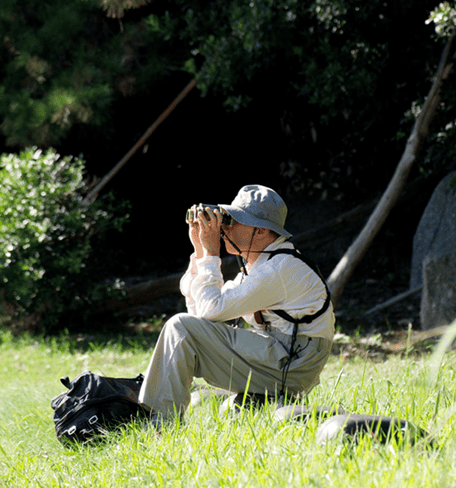
Birdwatching has become very popular. Its low-cost entry point means anyone can get started easily. And it can be as physically strenuous as you choose. Sit on the porch and enjoy watching them come to the feeders you’ve hung. Or hike just about any terrain, anywhere in the world, to see rare and magnificent birds.
Friends recently went to the Galapagos Islands for a bucket list trip…that included some serious birdwatching. Since the Galapagos Islands are a protected World Heritage Site, it’s one of the few places on earth you can still see Flightless Cormorants or the rare Blue-footed Boobies.
If the Galapagos Islands for Blue-footed Boobies isn’t your thing, perhaps the jungle birds found in Central America are. The point is, birding can be done virtually everywhere. Retirement can provide the time you need to expand this hobby. There’s the Audubon Christmas Bird Count if you fancy yourself a citizen scientist. This is a worldwide, annual event that helps with the protection and preservation of birds and their natural habitat.
Take a look for opportunities to assist in rebuilding bird habitat. Not everyone is into birdwatching. But working with your local conservation authorities to restore or repair lost habitat can be equally rewarding. Think hiking meets guerrilla gardening.
Whether solo birding or accompanied by others, this is a great outdoor hobby! It’s fun when trying to identify different species near your local area or internationally.
Drone Flying: A Hobby That Offers a New Perspective
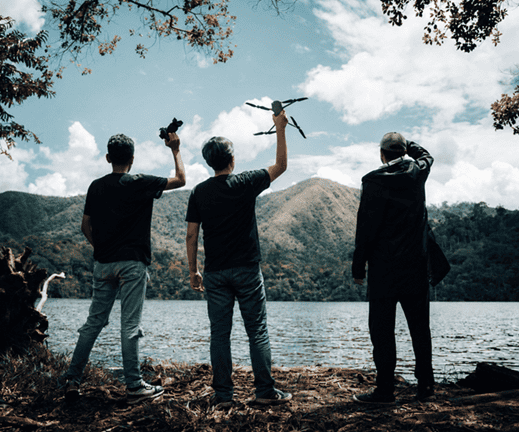
Not long ago, drone flying was largely the domain of technology enthusiasts and hobbyists who enjoyed tinkering with electronics. Today, drones have become far more accessible and are attracting photographers, travellers, nature lovers, and outdoor enthusiasts of all ages.
For many retirees, drones offer an entirely new way to experience familiar places. A local hiking trail, fishing spot, beach, or conservation area can look completely different when viewed from above. Modern drones allow hobbyists to capture stunning aerial photographs and videos that were once only possible with expensive aircraft or helicopters.
Drone flying combines several rewarding aspects of retirement. There is a technical component that appeals to lifelong learners. There is the challenge of developing flying skills and understanding aviation regulations. And there is the creative side of photography and videography. Most importantly, it gets people outdoors exploring new places and seeing the world from a different perspective.
Some hobbyists enjoy aerial photography and videography. Others participate in organized flying clubs or drone racing competitions. Drones are also used to document wildlife, map hiking trails, inspect property, create travel videos, and capture family events from unique angles. Like photography, the hobby can be enjoyed alone or shared with a community of enthusiasts who enjoy exchanging tips, techniques, and stories.
My brother Mike was an early adopter. While I may have teased him about being a bit of a nerd, he was using drones for photography and even competing in drone racing long before most people had heard of the hobby.
Retirement often provides the time to explore interests that were difficult to pursue during a busy career. Drone flying is one of those hobbies that combines technology, creativity, learning, and adventure. It may not be for everyone, but for those willing to learn, it offers a fascinating new perspective on the world around us.
Photography: A Hobby That Changes the Way You See the World
Photography is one of those hobbies that can be as simple or as complicated as you want it to be. Some people are perfectly happy taking pictures with their smartphones, while others enjoy learning about cameras, lenses, editing software, and composition. Regardless of the equipment you use, photography has a remarkable ability to change the way you see the world around you.
Many retirees are surprised to discover that photography is less about taking pictures and more about learning to observe. A photographer notices the way light filters through a forest canopy, how the colours change during a sunset, or the details of a bird that most people walk past without seeing. The hobby encourages curiosity and mindfulness, rewarding those who slow down and pay attention.
One of the greatest advantages of photography is that it gives you a reason to explore. A local conservation area, a nearby beach, a historic downtown, or a quiet country road suddenly becomes an opportunity for discovery. Many photographers find themselves visiting places they might otherwise have ignored simply because they are looking for interesting images. The camera becomes an excuse to get outside, stay active, and continue learning.
Photography also pairs naturally with many other retirement hobbies. Birdwatchers use cameras to document species sightings. Travellers capture memories from around the world. Gardeners photograph blooms and pollinators. Hikers bring cameras on the trail. Even drone enthusiasts are increasingly combining aerial photography with traditional landscape photography. The hobby complements almost any outdoor activity.
Perhaps the most rewarding aspect of photography is that there is always something new to learn. Every season offers different subjects. Location presents new challenges. Every photographer develops their own style over time. Unlike some hobbies that eventually become repetitive, photography has an almost endless learning curve. The more you learn, the more you realize there is still to discover.
Photography can also be surprisingly social. Camera clubs, photography workshops, photo walks, and online communities provide opportunities to share experiences and learn from others. Like many successful retirement hobbies, photography offers a combination of creativity, lifelong learning, exploration, and friendship.
Best of all, photography encourages us to pay attention. In a world that often feels rushed, a camera can teach us to slow down, look more carefully, and appreciate the beauty that surrounds us every day.
Indoor Hobbies for Retired Men
Woodworking
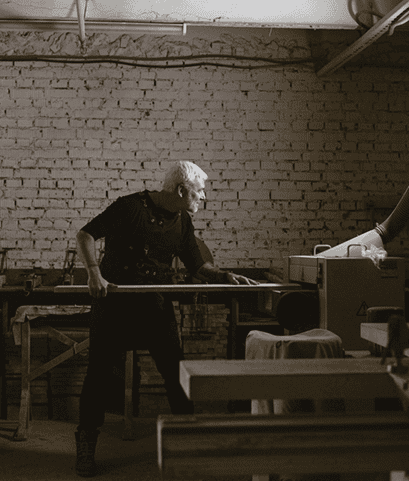
Many retired men turn to indoor hobbies as a way of staying active, creative, and productive. Few hobbies offer the same sense of accomplishment as woodworking. There is something deeply satisfying about taking a rough piece of lumber and transforming it into something useful, beautiful, or meaningful with your own two hands.
Woodworking can be as simple or as ambitious as you want it to be. Some retirees enjoy building birdhouses, bookshelves, and furniture, while others move into cabinet making, wood turning, carving, or wood burning. Retirement finally provides the time to tackle projects that always seemed just out of reach during a busy career.
When my father retired, he surprised all of us by taking up bird and fish carving. Up until that point, the only things he had ever carved were his fingertips on a table saw. Suddenly, he was producing detailed carvings that people actually wanted to display. None of us saw it coming. It was a reminder that retirement often reveals talents that have been hiding in plain sight for decades.
Woodworking is also one of those hobbies where there is always something new to learn. You can spend a lifetime mastering techniques, experimenting with new tools, and refining your skills. Just try to keep all ten fingers attached. As a retired fire chief, I have to admit that “wood burning” sounds particularly appealing.
Music
If you’ve ever wanted to learn an instrument, retirement may be the perfect time to start. Whether it’s the guitar, piano, drums, banjo, ukulele, or even the tuba, learning music challenges the brain in ways few other hobbies can.
Research has consistently shown that musical activities can support cognitive health as we age. The good news is that you don’t need to be a lifelong musician to benefit. While those who have played for decades often show the greatest gains, studies suggest that it’s never too late to start learning.
The beauty of music is that it offers more than one path into the hobby. You can learn an instrument, join a community band, sing in a choir, write songs, collect vinyl records, explore music history, or even build your own instruments. Here in Ontario, Karol Guitars has offered guitar-building classes that allow participants to create a custom instrument from scratch. That’s a hobby and a conversation piece rolled into one.
Music also tends to bring people together. Jam sessions, local bands, community groups, and open mic nights provide opportunities to meet people who share your interests. You may never become the next rock star, but retirement is a great time to discover whether a musician is hiding inside you.
And if your spouse isn’t entirely enthusiastic about your decision to take up the drums, I suggest starting with practice pads before investing in a full drum kit.
Writing
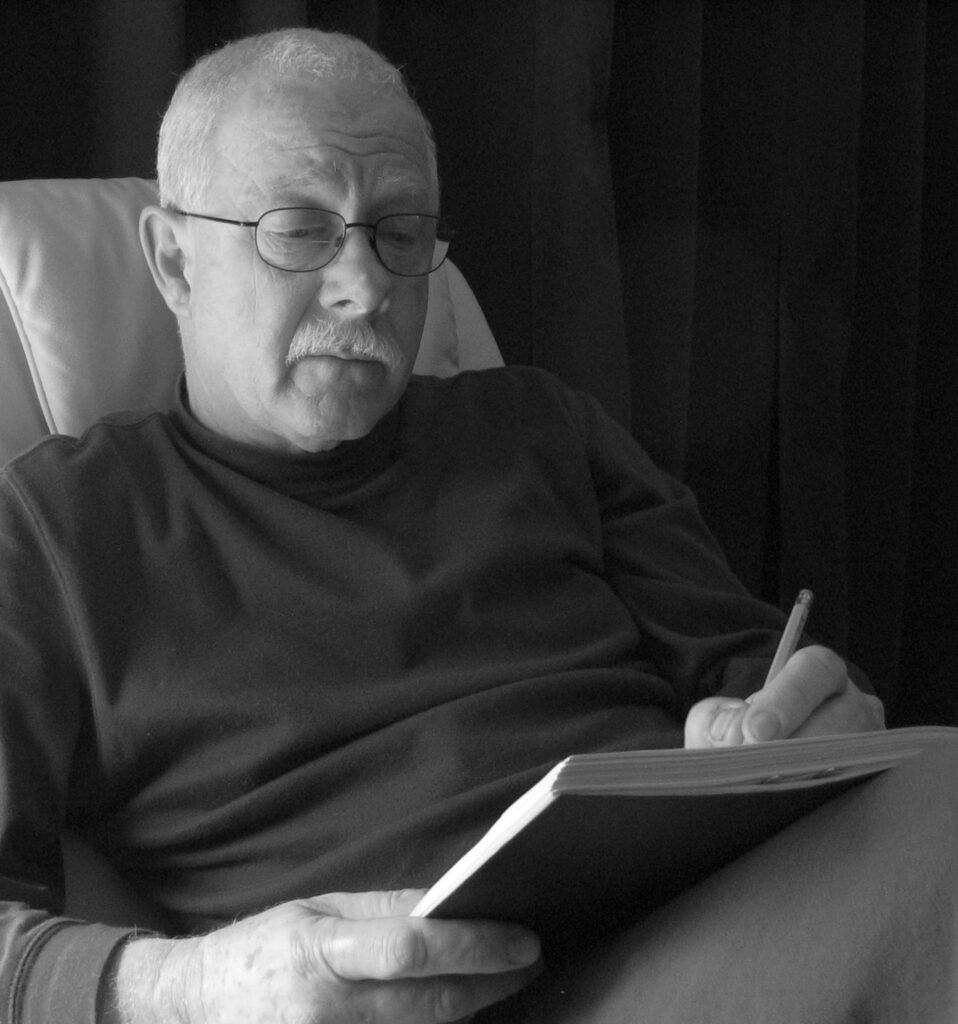
Writing is one of the most accessible hobbies available in retirement. All you really need is an idea, a little curiosity, and the willingness to sit down and put words on a page.
My friend Bill Efford is a perfect example. After retiring from a long career in public service, he turned his lifelong love of reading, research, history, and travel into a second act as a novelist. To date, he has published multiple books, with more on the way. Bill writes from a deep well of experience gathered over decades of work, travel, observation, and learning. Retirement simply gave him the time to put those experiences to paper. Check out The Last Renaissance Man.
The same opportunity exists for the rest of us. You don’t need to write a novel. You can write poetry, family stories, memoirs, travel journals, magazine articles, blog posts, local newspaper columns, or even newsletters for community organizations and sports teams. The important thing is to start.
Writing is more than a creative outlet. It helps organize thoughts, preserve memories, explore ideas, and share knowledge with others. Many retirees discover they know far more than they realized and that writing is an effective way to pass along what they’ve learned.
If you’ve ever considered starting a blog, retirement is a great time to experiment. You don’t need to write about travel or hobbies. Write about what you know. In many ways, content creation is simply a form of consulting. You’re sharing experiences, lessons, and observations that may help someone else. It isn’t always easy, but it is one of the most rewarding hobbies I’ve ever pursued.
Glassblowing
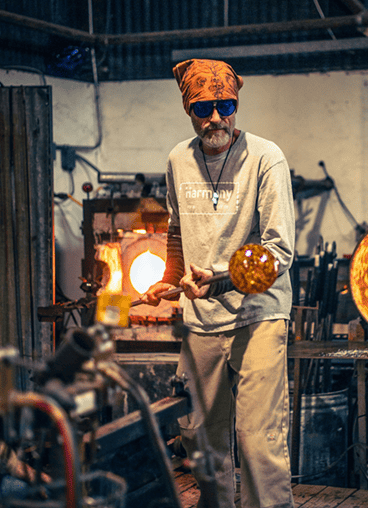
It’s hot, physically demanding, and freaking awesome! Granted, slinging molten glass isn’t for everyone. But it is fascinating, even if you just watch. It can be a very expensive pastime, so I suggest you try a weekend class first. If you’re here in Ontario, then the best place to go and try this is Artech Glass Studio in Tory Hill. (This is not a paid affiliate link, just a great experience that I’ve attended with family and friends.)
Glassblowing is one of those rare hobbies that combines art, craftsmanship, science, and a healthy respect for gravity and temperature. Working with molten glass requires concentration, patience, timing, and a willingness to learn from mistakes. Unlike many modern activities that happen behind a screen, glassblowing is a hands-on experience that fully engages both mind and body.
One of the reasons I find glassblowing so appealing is that it forces you to be completely present. When you’re working with glass that is over 1,000 degrees Celsius, your attention tends to stay focused on the task at hand. There is no multitasking. No checking email. No scrolling through social media. Just you, the furnace, and a rapidly cooling piece of glass that is either about to become a work of art or a very expensive lesson.
Like woodworking, pottery, and metalworking, glassblowing provides the satisfaction of creating something tangible. A vase, bowl, ornament, sculpture, or paperweight may not change the world, but there is something deeply rewarding about being able to point to an object and say, “I made that.”
The hobby also attracts an interesting mix of people. Artists, engineers, tradespeople, teachers, retirees, and lifelong learners all seem to find their way into the studio. Many glass artists describe the experience as both creative and technical, requiring equal parts imagination and problem-solving. For retired men who spent decades building, repairing, designing, managing, or troubleshooting things, that combination can be surprisingly appealing.
The best part? You don’t have to commit to becoming a full-time glass artist. A weekend workshop may be all it takes to discover whether you enjoy the process. Even if you decide it isn’t your next great retirement hobby, you’ll walk away with a new appreciation for the skill involved and probably a story or two worth telling.
And if nothing else, you’ll have spent a day doing something far more memorable than watching television.
Competitive Games
When most people think about games, they picture family board games or keeping the grandchildren entertained on a rainy afternoon. While there’s certainly nothing wrong with that, many retired men are discovering that competitive games can become serious hobbies that provide challenge, camaraderie, and a reason to get out of the house.
Games such as poker, darts, billiards, snooker, bowling, cribbage, chess, bridge, curling, and (yes) golf have long attracted competitive personalities. Retirement often provides the time to join leagues, tournaments, clubs, and informal groups that meet regularly throughout the year. Some participants are there to win. Others simply enjoy the competition and social interaction. Most are there for a little of both.
One of the biggest benefits of competitive games is that they combine mental stimulation with social connection. Whether you’re calculating odds at a poker table, planning your next move in a chess match, or trying to hit a double twenty in darts, you’re exercising your brain while spending time with people who share your interests. The game provides a common focus, and the conversations happen naturally around it.
Competitive games also create something many retirees miss after leaving the workforce: structure. Weekly league nights, tournaments, club meetings, and practice sessions add rhythm to the calendar and provide something to look forward to. They create what social psychologists call repeated passive contact—the simple act of regularly seeing the same people over time. Familiar faces become acquaintances, acquaintances become friends, and before long, you’ve built a community around a shared interest.
You don’t have to be a champion to enjoy competitive games. In fact, most participants never are. The real rewards often come from the challenge, the laughter, the stories, and the friendships that develop along the way. Retirement may be one of the few times in life when you can pursue competition simply because it’s fun.
So whether it’s poker, darts, bowling, bridge, chess, golf, or something entirely different, don’t underestimate the value of a little friendly competition. You might discover that the game is only part of the attraction.
Adventure Hobbies for Retired Men: It’s Never Too Late to Be a Beginner

One of the greatest gifts of retirement is the freedom to try something completely new. For decades, many of us have become highly skilled in our careers. We knew our jobs, our routines, and our responsibilities. Retirement creates an opportunity to become a beginner again.
That may sound intimidating at first, but it can also be incredibly rewarding.
Adventure hobbies challenge us physically, mentally, and emotionally. They encourage us to learn new skills, push our comfort zones, and continue growing. Contrary to popular belief, retirement isn’t just about slowing down. For many people, it’s the perfect time to pursue activities they never had time to explore during their working years.
Whether it’s climbing a rock wall, learning to surf, exploring the underwater world, or cycling through a new city, adventure hobbies remind us that curiosity doesn’t have an expiration date.
Rock Climbing & Bouldering
How about rock climbing as an adventurous hobby for retired men? And no, I’m not talking about hanging off the side of a mountain like Tom Cruise in a Mission Impossible movie.
Modern climbing gyms provide a safe and supportive environment where beginners can learn the fundamentals under professional supervision. Many facilities offer introductory programs specifically designed for older adults and newcomers to the sport.
Bouldering has become particularly popular because it requires less equipment and focuses on shorter climbing routes that are typically less than 15 feet high. The activity develops strength, flexibility, balance, coordination, and problem-solving skills. Every route becomes a puzzle that needs to be solved.
One of the things I like about climbing is that progress is easy to see. What feels impossible during your first visit often becomes manageable a few months later. That’s a rewarding experience at any age.
And let’s be honest. If you’re sitting around the house feeling bored, you may already be climbing the walls. You might as well do it in a gym where people encourage you.
Skydiving
We all know the old saying:
“Why would anyone jump out of a perfectly good airplane?”
The short answer is that it’s absolutely unforgettable. And like SCUBA diving below, one of my brother’s favourite pastimes. I have no idea if it was the adrenaline that both provided, or the community of like-minded people that made him gravitate to these hobbies, but he did love them!
Skydiving isn’t for everyone, but it remains one of the most exhilarating experiences available to adventurous retirees. For many people, a tandem skydive serves as a bucket-list experience. For others, it’s the beginning of an entirely new hobby.
What makes skydiving so appealing isn’t just the adrenaline. It’s the sense of accomplishment that comes from doing something you once thought was impossible. Retirement provides the time and freedom to pursue experiences that may have been postponed for decades.
If you’ve ever wondered what it would be like to step outside your comfort zone at 10,000 feet, retirement may be the perfect time to find out.
SCUBA Diving
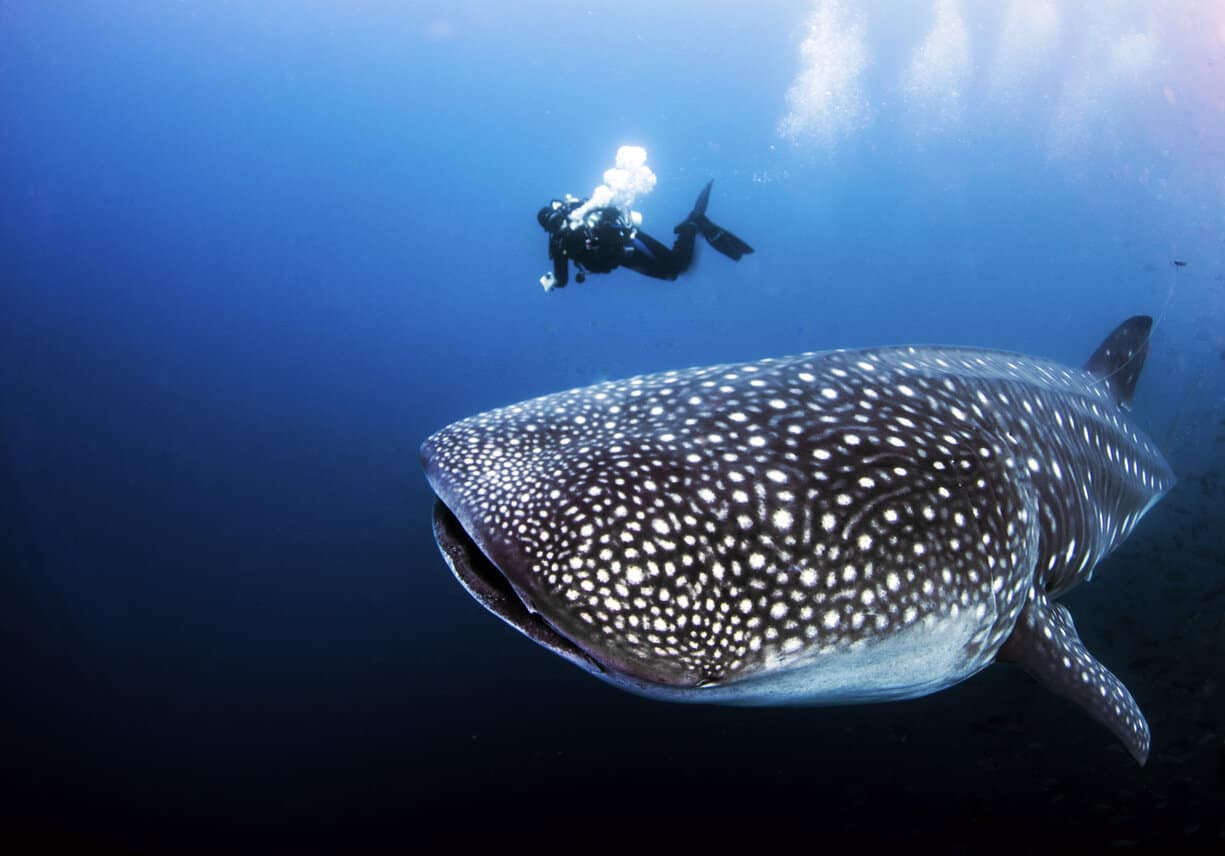
Diving in general is one of those hobbies that’s great at any age. And it’s one of those activities that offers a natural progression of difficulty or challenge. It’s pretty common to start with snorkelling and catch the bug to see more, go deeper, and stay under longer.
Experts at Smithsonian Magazine say that one of the best places in the world to go snorkelling/diving is Ambergris Caye, in Belize. My father-in-law preferred Phuket, my brother raved about the wrecks in Micronesia, and my dad swore that Canada’s Great Lakes held more fascination than any ocean.
Move up to shallow diving from snorkelling. If you’ve been diving for years, then retirement could be your opportunity to take it up a notch. Take your love of diving and become a dive master, and train others. It might also be a good way to subsidize your hobby.
Feel the need to ratchet it up further? Consider cave diving or even wreck diving. Both require extra equipment, travel to some pretty unique locations and a fair amount of expertise. But that sounds like something you might value in a retirement pastime.
SCUBA also lets you have a hobby within a hobby. Underwater photography is frequently a popular add-on. And so is deep-sea fishing, especially if you’re diving as part of an excursion. Furthermore, just like gardening and birdwatching, SCUBA diving can offer the opportunity for good stewardship through coral reef restoration or citizen science projects where you can help with research.
And…there is also a growing number of men adding yoga and breath-work to their diving adventures because it enhances their lung capacity, endurance, and air conservation.
If any of this sounds like what you’re looking for, check out this post on wreck diving in Micronesia.
Surfing
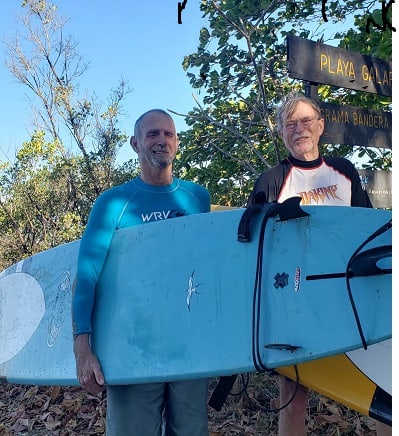
Seriously, surfing is the bomb! And while I fully advocate for the ladies, too, this post is aimed at the lads. Trust me when I tell you that 60 is not too old to take up surfing. If I can do it, you can do it. Surfing in Nosara 2023 – The Best Advice for Beginner Surfers Over 60.
Go someplace warm, sunny, and well known for a mild to moderate surf break. The Pacific Coast is generally best. Find yourself a qualified instructor, and invest in some lessons. You need to be able to swim and have a reasonable fitness level. That’s it. Start with the white water, and then move on to the green water, Moon Doggie!
Cycling
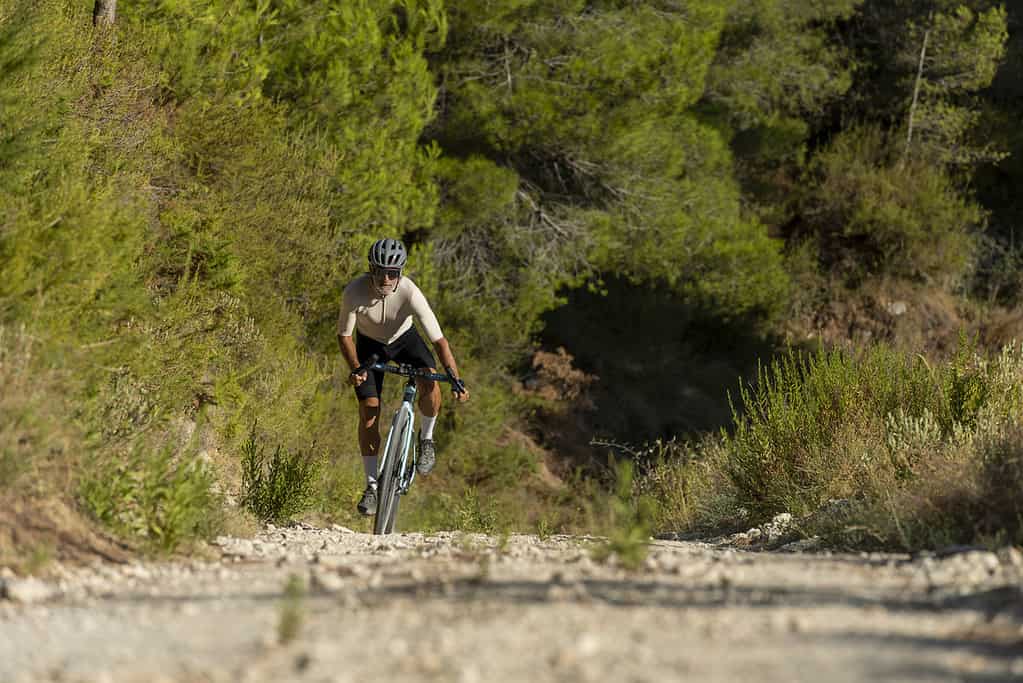
Cycling is another hobby you can easily take up later in life. You can ride locally for pleasure. You can join a road cycling group and pedal for miles.
Don’t want to put in that much effort? Or simply want to cycle while sightseeing? Consider an e-bike. All of the fun…far less work. Feel free to pedal downhill, but let the bike do the steep hills.
All these activities come with a few risks when done correctly, and when you follow the appropriate instructions. And of course, use the necessary gear properly. This ensures the maximum amount of enjoyment and keeps the worrying consequences to a minimum.
FAQ Side Note
These are often outdoor activities that have varying levels of difficulty and come with potential risks or dangers involved with the activities. Some adventurous hobbies may require special training or certifications to enjoy them fully. That’s according to Morton’s On the Move.
It’s considered a daring and exhilarating thing to do. And it’s also a relatively easy item to cross off your list. Furthermore, it’s not hard to find a reputable skydiving club near you. There’s one in my town of Innisfil called Toronto Skydive. It’s also not heinously expensive, generally less than $400.
Sports Hobbies: Competition, Community, and Staying Active
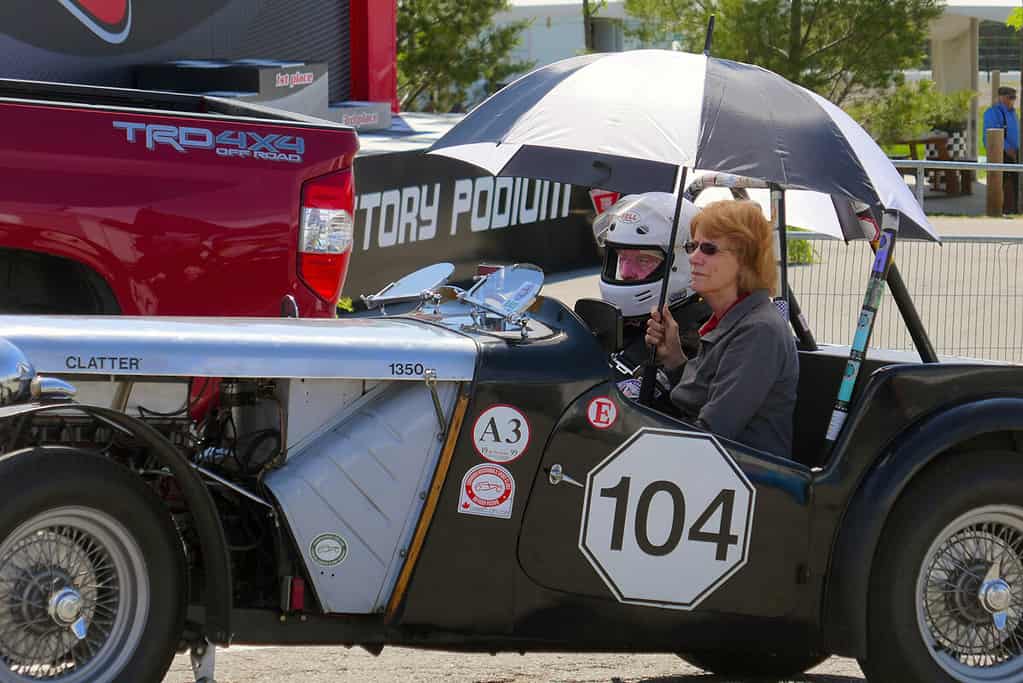
For many men, sports have been part of life for decades. Some played competitively when they were younger. Others followed their favourite teams from the sidelines. Retirement can provide an opportunity to reconnect with old interests or finally try something new.
Sports hobbies offer far more than exercise. They provide structure, challenge, social connection, and measurable goals. Whether you’re trying to lower your golf score, improve your archery accuracy, complete a cycling event, or simply stay active, sports provide a reason to keep moving and keep learning.
One of the biggest misconceptions about aging is that we need to slow down. While recovery may take a little longer than it did at twenty-five, many retirees discover they are capable of far more than they expected. The key is finding activities that match your interests, fitness level, and appetite for adventure.
Golf, Obviously
Let’s start with the obvious one.
Golf has been a retirement favourite for generations, and for good reason. It combines low-impact exercise, friendly competition, time outdoors, and plenty of opportunities for social interaction. A four-hour round provides ample time to catch up with friends, solve the world’s problems, and occasionally hit a decent shot.
One of the things I like about golf is that you can play against yourself as much as you play against others. The challenge never really disappears. There is always a better score to shoot, a shot to improve, or a skill to refine. It’s one of those hobbies that can keep you engaged for decades.
If you’re new to the game, don’t let it intimidate you. Rent some clubs, book a few lessons, and spend some time at the driving range. Remember that many golfers are every bit as optimistic about their abilities as anglers are about the size of the fish that got away. Take the stories with a grain of salt and enjoy the process of learning.
Better yet, bring along a grandchild. A bucket of balls at the driving range may become one of those simple retirement memories that lasts a lifetime.
Off-Road Riding and Racing
Most people assume off-road riding is a young person’s sport. They picture fearless twenty-somethings launching motorcycles over jumps and bouncing back up after spectacular crashes.
The reality is that many experienced riders continue well into their fifties, sixties, and beyond. They may be a little wiser, a little more cautious, and considerably better at choosing when not to twist the throttle.
I’m married to one of these riders, so I can personally attest that there is still plenty of race left in the rider. Whether it’s dirt bikes, dual-sport motorcycles, ATVs, or trail riding, the off-road community includes participants of all ages and skill levels.
One of the great things about off-road riding is that it combines adventure with community. Local clubs organize rides, maintain trails, advocate for responsible use, and host races and events throughout the season. Organizations such as the Simcoe County Off-Road Riders Association and the Halton Off-Road Riders Association provide opportunities to learn, ride safely, and meet people who share the same passion.
Like many successful retirement hobbies, off-road riding offers more than the activity itself. It provides challenge, camaraderie, lifelong learning, and a reason to get outdoors and explore.
Archery
Archery is one of the oldest sports in human history, yet it continues to attract new participants every year. Whether you’re interested in target shooting, recreational shooting, or simply learning a new skill, archery offers a unique combination of focus, discipline, and precision.
Unlike many sports that rely heavily on speed or physical strength, archery rewards patience, concentration, and consistency. Every shot provides immediate feedback, making it easy to track your progress over time. Much like golf, the real competition is often with yourself.
Organizations such as Archery 360 note that archery can help improve focus, posture, hand-eye coordination, and concentration. Those benefits make it an appealing activity for retirees who want to stay mentally engaged while remaining physically active.
Modern equipment has also made the sport more accessible than ever. Traditional bows remain popular, but many beginners find compound bows easier to learn thanks to advances in design and technology. Local clubs, ranges, and instructors can help newcomers get started safely and confidently.
Like many of the hobbies in this article, archery offers multiple levels of involvement. You can enjoy casual target shooting on weekends, participate in leagues and tournaments, or simply challenge yourself to become a little more accurate with each passing season. The goal isn’t perfection. It’s an improvement.
“Compound bows are easier to draw, aim and shoot. Their cams or wheels roll over during the draw cycle to reduce the bow’s draw weight at full draw. That let-off goes as high as 90%, meaning archers only hold 7 pounds at full draw on a bow with a 70-pound peak draw weight. Repeatability is critical to accuracy.”
— Achery 360
If you have an interest in learning target shooting of any type, places like Wolf’s Den, here in Ontario, can help you. Beginners should really try activities like archery or shooting before they invest the time and money into these sports. Places like Wolf’s Den are more than just sales. They offer substantial training and safe and monitored practice ranges.
Sporting Clays and Skeet Shooting
If golf with a shotgun sounds intriguing, you might want to consider sporting clays or skeet shooting.
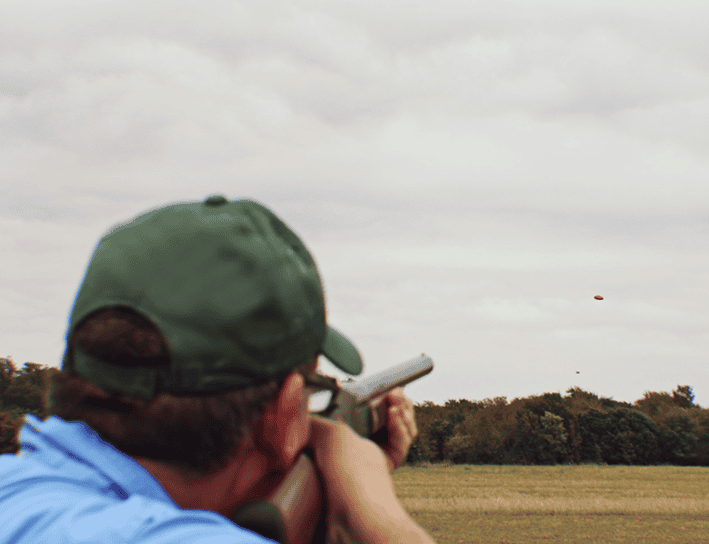
Often referred to as “golf with a shotgun,” sporting clays challenges participants to hit clay targets launched in a variety of directions, speeds, and trajectories. Each station presents a different scenario, requiring focus, patience, and the ability to adapt. Skeet shooting is similar but follows a more structured format with targets launched from fixed locations.
What makes these sports particularly appealing in retirement is that success depends far more on technique, concentration, and consistency than on speed or physical strength. Like golf or archery, the real competition is often with yourself. There is always another skill to improve, another target to hit, and another lesson to learn.
One of the things I appreciate about sporting clays is the social aspect. Participants often move through the course in small groups, spending several hours outdoors enjoying friendly competition and conversation. The atmosphere is typically welcoming to newcomers, and many clubs offer instruction for those who have never handled a shotgun before.
Like many of the hobbies in this article, sporting clays rewards practice and lifelong learning. No matter how experienced you become, there is always a target that humbles you and reminds you that improvement is part of the fun.
As with any shooting sport, proper training, safe handling practices, and appropriate supervision are essential. Most reputable clubs place a strong emphasis on safety and provide opportunities for beginners to learn the fundamentals in a controlled environment.
If you enjoy activities that require focus, precision, and a little friendly competition, sporting clays may be worth exploring. You might be surprised at how satisfying it is to turn a small orange disc into a puff of dust against a blue sky.
Volunteering: Turning Experience Into Impact
Volunteering may not technically qualify as a hobby, but many retirees find it every bit as rewarding. In fact, it combines many of the same benefits that make hobbies so appealing. It provides purpose, social connection, structure, lifelong learning, and the opportunity to make a meaningful contribution to your community.
One of the great advantages of retirement is that you finally have the time to share decades of knowledge, experience, and skills with others. Whether your background is in business, healthcare, education, construction, public service, trades, or the arts, there is almost certainly an organization that could benefit from your expertise.
For those who enjoy working with their hands, organizations such as Habitat for Humanity offer opportunities to help build affordable housing alongside like-minded volunteers. If you’ve spent a career building, repairing, managing projects, or solving problems, the transition can feel surprisingly natural.
Others may prefer volunteer opportunities that focus on helping people directly. Many communities rely on volunteer drivers to transport cancer patients and others to medical appointments and treatments. Food banks, meal delivery programs, and community support organizations also depend heavily on volunteers to help meet growing demand.
If you’re looking for something a little less conventional, consider volunteering in emergency management, search and rescue, trail maintenance, conservation projects, museum programs (museum docent is my personal fave), wildlife rehabilitation centres, or community events. Many municipalities and volunteer organizations rely on experienced retirees to provide leadership, planning, logistics, and operational support during emergencies and special events.
Volunteering is also one of the best ways to meet people after retirement. Unlike many social activities, everyone in this one is already working toward a common goal. The conversations happen naturally. Shared experiences create connections. Over time, those connections often develop into friendships.
One of the biggest surprises many retirees discover is that volunteering benefits the volunteer as much as the organization. Helping others provides a sense of accomplishment and purpose that can be difficult to replicate elsewhere. It reminds us that while our careers may have ended, our ability to contribute has not.
If you’re interested in exploring volunteer opportunities, websites such as Idealist allow users to search for causes and organizations that match their interests and skills. In Ontario, the provincial Volunteer Connector program was created to help match volunteers with opportunities to assist during emergencies and community needs.
You don’t have to commit to hundreds of hours each year. Start small. Volunteer for a single event, a single project, or a single afternoon. You may discover that giving back becomes one of the most rewarding parts of retirement.
Learning New Skills Keeps Retirement Interesting
One of the biggest advantages of retirement is that you finally have the freedom to learn things simply because they interest you.
For most of our working lives, learning is tied to a purpose. We take courses to advance our careers, earn certifications, satisfy employers, or improve job performance. Retirement changes that equation. For the first time in decades, you can learn something purely because you’re curious.
And curiosity may be one of the most valuable retirement skills of all.
Many retirees find themselves returning to interests they never had time to pursue while working. Some learn photography or drone flying. Others take up woodworking, gardening, painting, music, genealogy, or a new language. A growing number are even learning coding, website design, video editing, and other technology skills that didn’t exist when they began their careers.
I taught myself blogging after retirement. What started as a simple interest eventually became a website, a creative outlet, and an opportunity to connect with readers from around the world. I certainly didn’t know what I was doing when I started. Like many worthwhile hobbies, I learned through trial and error, curiosity, and a willingness to make mistakes.
Sometimes the skills people pursue are completely unexpected. A friend of mine retired and took on an internship so she could learn how to make whiskey. Not because she needed a job. Not because she planned to open a distillery. Simply because she wanted to understand the process and found it fascinating. Retirement gave her the freedom to become a beginner again.
That’s one of the things I find most interesting about this stage of life. Retirement allows us to explore interests that may have been sitting quietly in the background for years. We no longer need a practical reason to learn something. Interest is reason enough. My dad took up carving birds and fish, the day after he retired. Needless to say, we were all stunned. My dad wasn’t known for his skill with sharp tools and woodworking equipment. As a matter of fact, he cut the tip off two fingers, and set himself on fire once
If you’re looking for inspiration, consider exploring some of the old-time skills that have experienced a resurgence in recent years. Woodworking, canning, preserving, gardening, sewing, foraging, baking, leatherworking, and other traditional skills offer opportunities to learn, create, and connect with generations of knowledge. Many of these skills are surprisingly relevant in today’s world and provide a strong sense of accomplishment.
The goal isn’t mastery. The goal is engagement.
Learning something new keeps the brain active, creates opportunities to meet interesting people, and provides a sense of progress that many retirees miss after leaving the workforce. The best hobbies don’t just fill time. They expand our world.
Let’s Sum Up Hobbies for Retired Men
If there’s one thing I’ve learned from researching and writing about retirement, it’s that the happiest retirees rarely sit still for long.
They stay curious.
Some learn photography. Others take up woodworking, volunteering, surfing, writing, golf, drone flying, archery, glassblowing, birdwatching, fishing, or music. Some return to hobbies they enjoyed decades ago. Others discover entirely new interests they never had time to explore during their working years.
The specific hobby isn’t nearly as important as what the hobby provides.
The best retirement hobbies offer opportunities to learn new skills, meet interesting people, spend time outdoors, stay active, challenge the mind, and maintain a sense of purpose. Many also create what social psychologists call repeated passive contact—the regular interactions that often lead to new friendships and a stronger sense of community.
Retirement isn’t simply about leaving work. It’s about creating a life that remains interesting after work. One of the easiest ways to do that is to become a beginner again. Learn something. Build something. Explore somewhere. Join a club. Volunteer. Take a class. Try a hobby you’ve always been curious about.
You don’t have to become an expert. You just have to start.
The truth is that retirement may be one of the few times in life when you have complete freedom to pursue interests simply because they fascinate you. That’s a remarkable opportunity. Don’t waste it.
And yes, there will still be a honey-do list. There always is.
Cheers,
Cynthia
Additional Reading
- That Something Feels Off Feeling
- Second Adulthood
- Why Retirement Feels Strange (Even When You’re Ready for It)

Cynthia Ross Tustin is the founder of I'm Thinking of Retiring, an online publication exploring the psychology, purpose, and everyday realities of life after work. A retired Fire Chief, former ICU and Emergency Room nurse, instructor, and policy writer, she combines lived experience, research, and a lifelong curiosity about human behaviour to write thoughtful essays on retirement, identity, purpose, friendship, and the ordinary moments that quietly reveal something larger. Through her Retirement Field Notes and Ordinary Tuesday series, she encourages readers to approach this next chapter with curiosity rather than certainty.