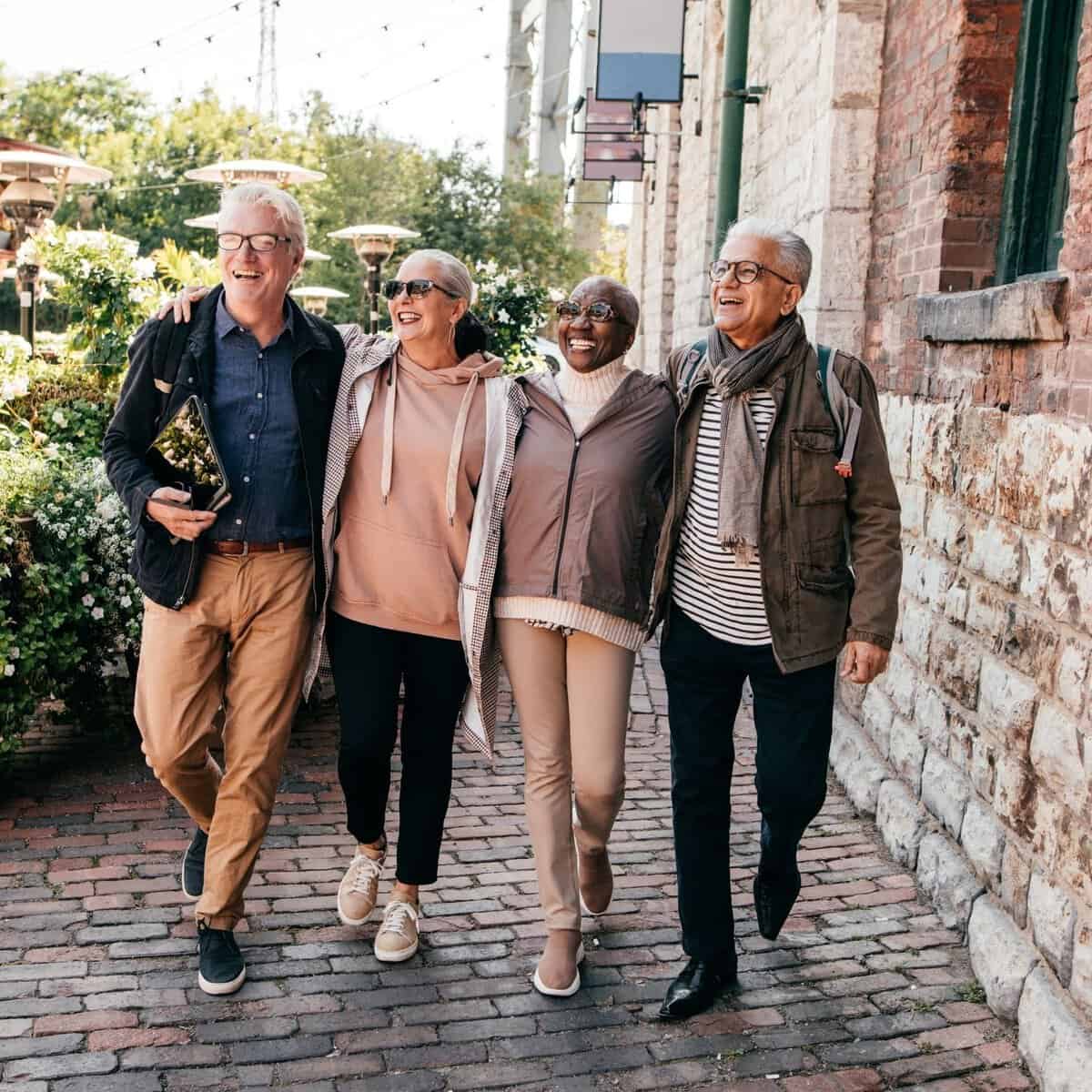
One of the unexpected gifts of life after retirement is the freedom to explore places properly.
Don’t rush through them.
Do not simply check off the famous attractions.
Actually explore.
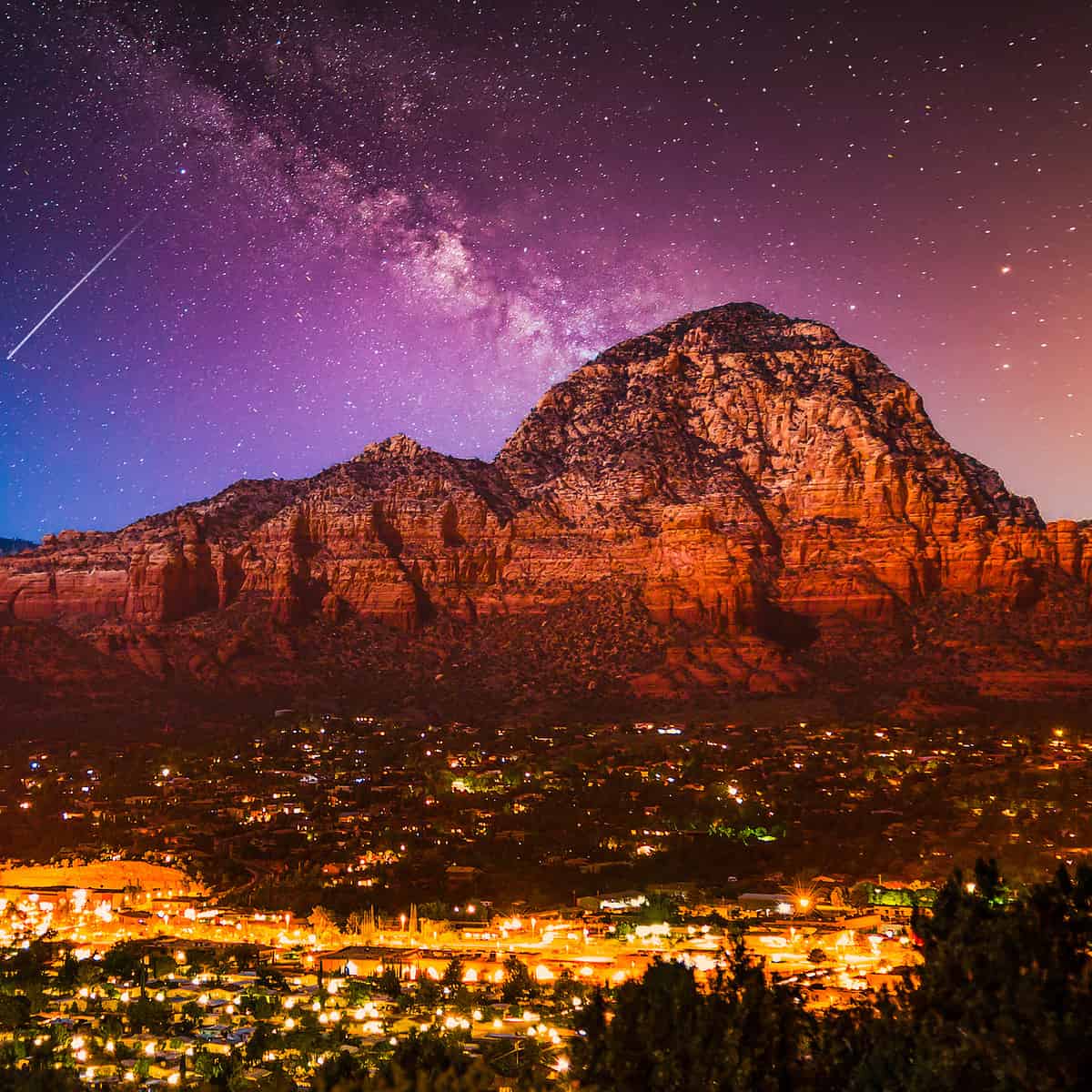
Sedona rewards that kind of travel.
Yes, the red rocks are spectacular. Yes, the landscape is dramatic enough to make even a fairly sensible person start using words like “energy” and “awe.” But what makes Sedona especially interesting is how much there is to do beyond standing at a viewpoint and saying, “Well, that’s pretty.”
Sedona, Arizona, is a place for curious travellers.
It has caves, canyons, ghost towns, Native American history, art galleries, jeep roads, hiking trails, creekside escapes, hidden viewpoints, local food, desert gardens, and enough unusual experiences to keep active older adults happily occupied for days.
So if you’ve been asking, “What should I do in Sedona, Arizona?” the better question may be:
What kind of experience do you want to have?
Adventure?
History?
Art?
Food?
Nature?
A little mystery?
Sedona can offer all of it.
Below are some of the best unique things to do in Sedona, Arizona, especially if you enjoy active travel, learning, local culture, and experiences that feel a little more memorable than another crowded overlook.
I. Explore the Caves in Sedona
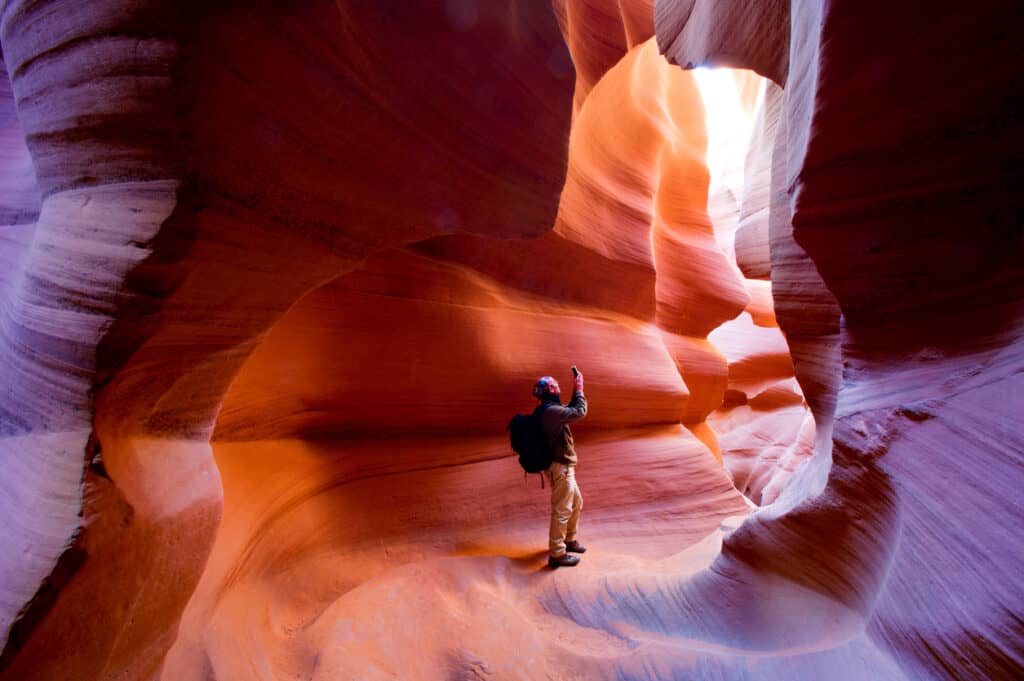
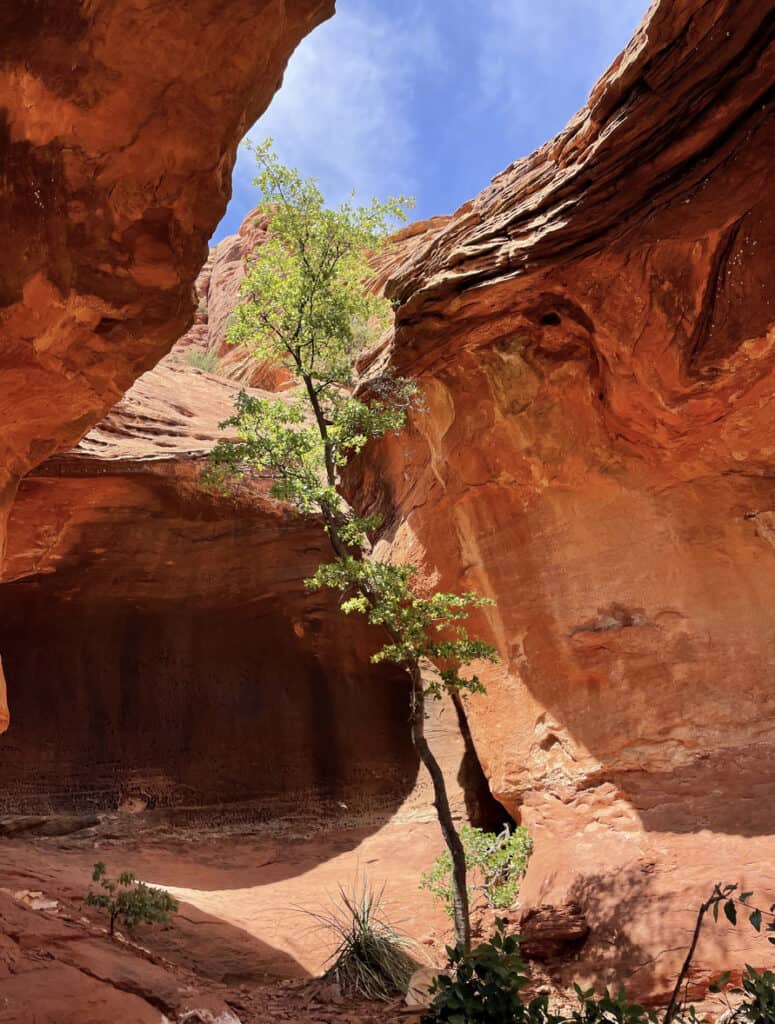
Sedona’s caves are one of the reasons this area feels so much more interesting than a typical sightseeing destination.
These are not polished, handrail-and-gift-shop caves. Many of Sedona’s caves require hiking, route-finding, patience, and a willingness to pay attention. In other words, they are perfect for curious travellers who still like a bit of adventure.
Kachina Tree Cave, near the Boynton Canyon area, is one of the more memorable options if you enjoy a hike that feels like a discovery. It is not the kind of place that announces itself from the parking lot. You need to work a little. That is part of the appeal.
Other popular cave and cave-like formations in the Sedona area include Soldier Pass Cave, Keyhole Cave, Boynton Canyon Subway Cave, the Birthing Cave, Fay Canyon Arch, Raven Caves, and Robbers Roost Cave.
Why go?
Because caves change the way you experience Sedona.
The red rocks are impressive from a distance, but caves bring you into the landscape. You see the layers, the erosion, the shadows, and the strange way wind and water have shaped the rock over time.
For active adults over 55, this can be a satisfying kind of travel experience. It combines movement, geology, problem-solving, and a bit of old-fashioned curiosity.
Just be sensible.
Some cave hikes involve uneven terrain, exposure, navigation challenges, or unofficial routes. Check current trail conditions, carry more water than you think you need, and avoid hiking into washes, slot-like areas, or exposed terrain during storms or monsoon conditions.
You may also need a Red Rock Pass or America the Beautiful Pass for some trailhead parking areas.
2. Ghost Towns
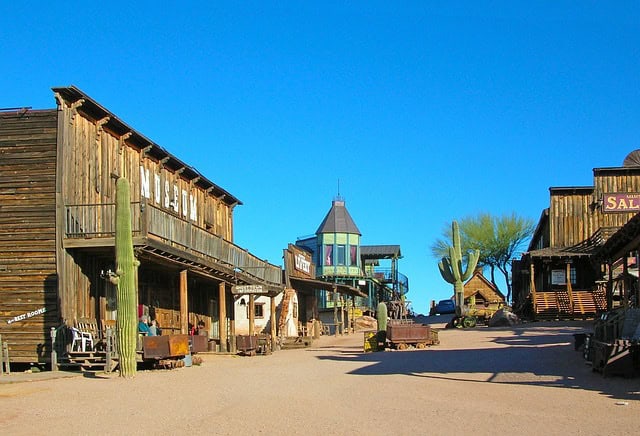
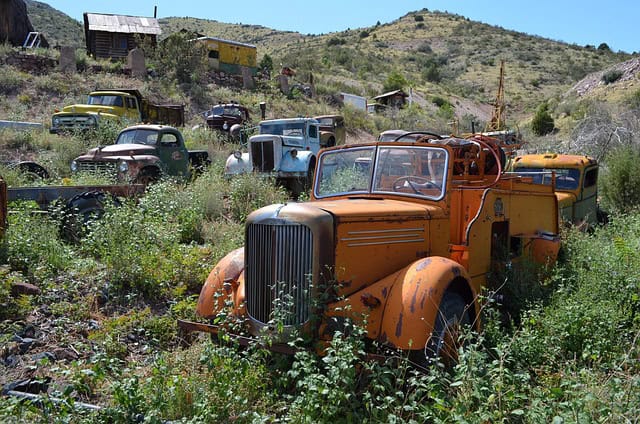
If you enjoy history with a bit of dust on it, the ghost towns near Sedona are worth your time.
Arizona’s mining history is full of boom, bust, ambition, hardship, and the occasional questionable life choice. Ghost towns give you a way to step into that history without needing to read a textbook first.
Jerome is the obvious place to start.
Perched on Cleopatra Hill, Jerome was once a booming copper mining town. Today it is part ghost town, part artist community, part historic oddity, and part place where people will happily tell you a ghost story if you give them half a chance.
A ghost walk in Jerome can be fun, especially if you enjoy old buildings, mining history, local legends, or the faint possibility that your EMF reader might behave like something out of Ghostbusters.
Why go?
Because ghost towns make history feel human.
You are not just reading about prospectors, miners, and boomtowns. You are walking through the remains of the places they built, worked, fought over, abandoned, and occasionally haunted.
Even if you are not especially interested in the paranormal, Jerome is still a worthwhile day trip from Sedona. It has views, shops, galleries, restaurants, and enough personality to make it far more interesting than a standard roadside stop.
3. Easy Hikes in the Sedona Wilderness
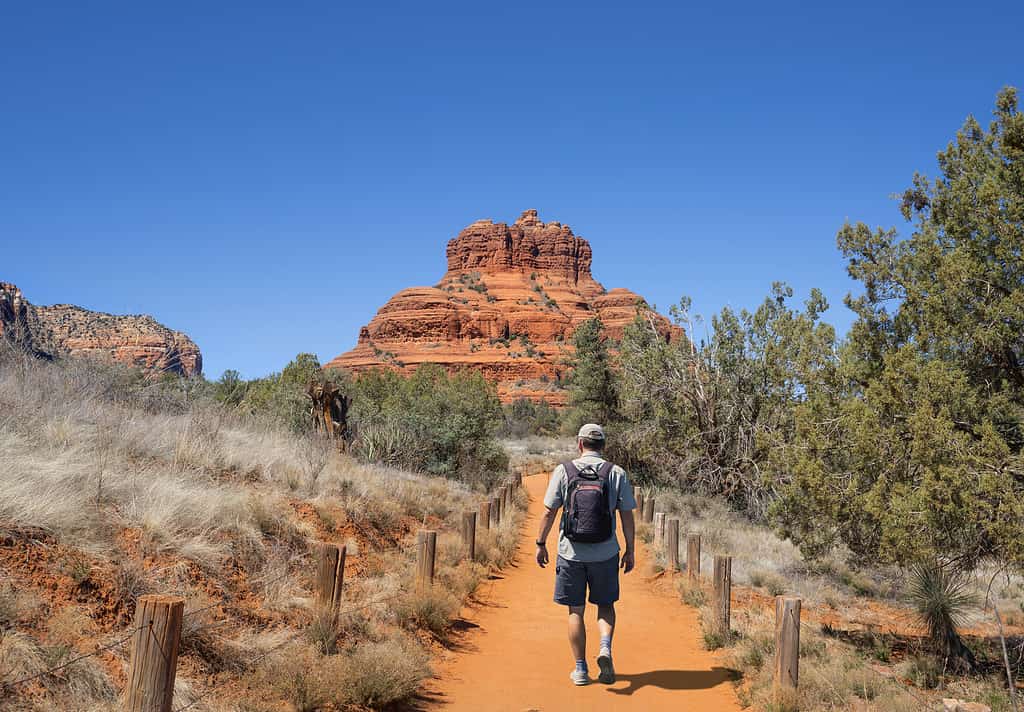
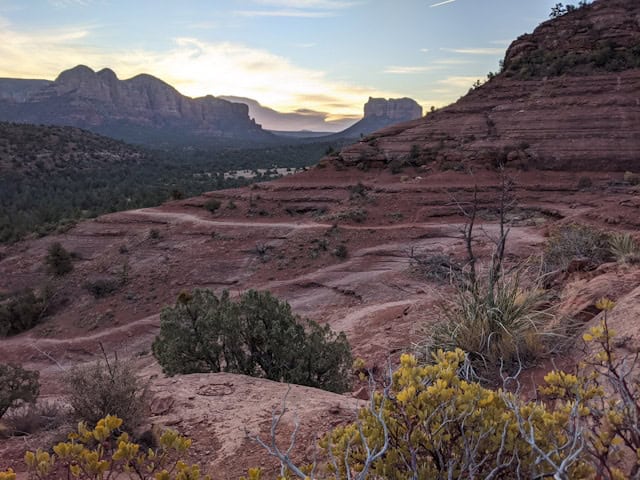
You do not have to be an extreme athlete to enjoy hiking in Sedona.
That may be one of the best things about it.
The Sedona area has hikes for almost every ability level, from gentle creekside walks to more demanding red rock climbs. For active older adults, this matters. You can choose your own level of challenge without feeling as though you need to prove anything to anyone.
Bell Rock, Cathedral Rock, Airport Mesa, Fay Canyon, West Fork, and trails around Red Rock State Park all offer different ways to experience the landscape.
Why go?
Because hiking in Sedona gives you more than exercise.
It gives you perspective.
The red rocks change constantly with the light. Morning and late afternoon can make the same trail feel completely different. A short hike can become a photography walk. A longer hike can become a geology lesson. A familiar trail can become a birding route, a wildflower walk, or simply a reason to get outside and move.
This is one of the reasons Sedona works so well for couples and small groups.
One person may be hiking for fitness.
Another may be stopping every few minutes to photograph cactus flowers.
Someone else may be watching for birds.
Everyone is technically doing the same activity, but each person gets something slightly different.
That is often the mark of a good shared travel experience.
4. Ancient Hopi Culture
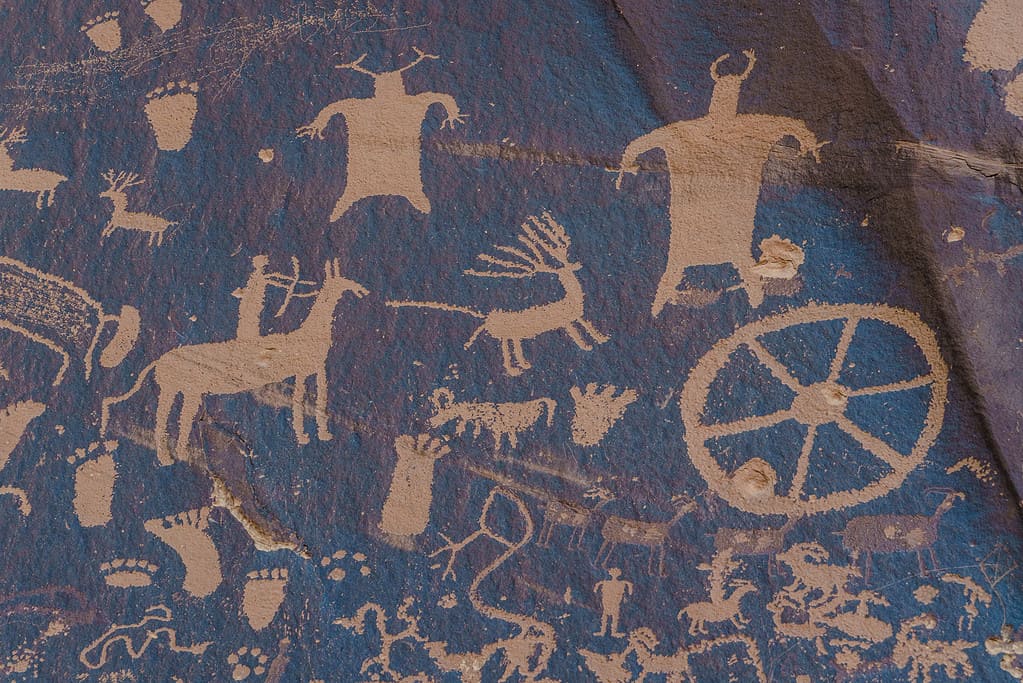
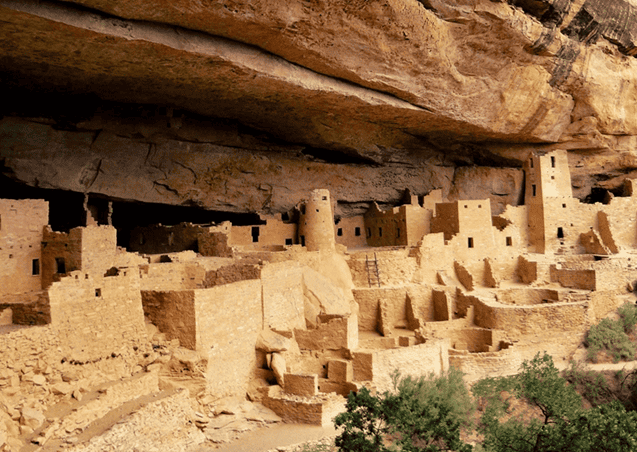
Sedona and the surrounding Verde Valley are rich with Indigenous history.
For travellers interested in culture, archaeology, and the Southwest’s long human story, this is one of the most meaningful ways to experience the area.
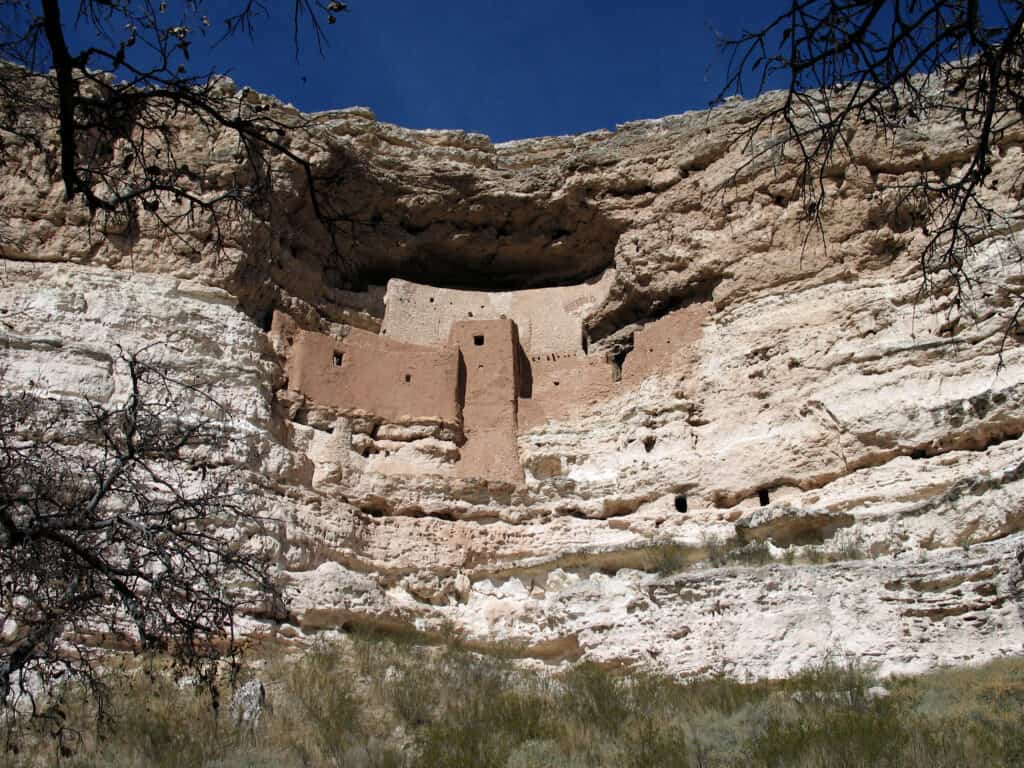
Montezuma Castle National Monument is an excellent day trip from Sedona. Despite the name, it has nothing to do with the Aztec emperor Montezuma. The site preserves an impressive cliff dwelling built by the Sinagua people, who lived in the area long before European settlement.
Tuzigoot National Monument is another worthwhile stop, especially if you want to understand more about the people who lived in the Verde Valley and how they adapted to the desert landscape.
Why go?
Because Sedona is not just scenery.
It is a cultural landscape.
The rocks, cliffs, creeks, ruins, and trails all sit within a much older human story. Visiting Indigenous heritage sites helps shift the experience from “beautiful place” to “storied place.”
That distinction is important.
Travel becomes richer when we understand that other people lived, adapted, worshipped, farmed, traded, and built communities in these landscapes long before we arrived with cameras and hiking shoes.
5. Explore Sedona’s Art Scene
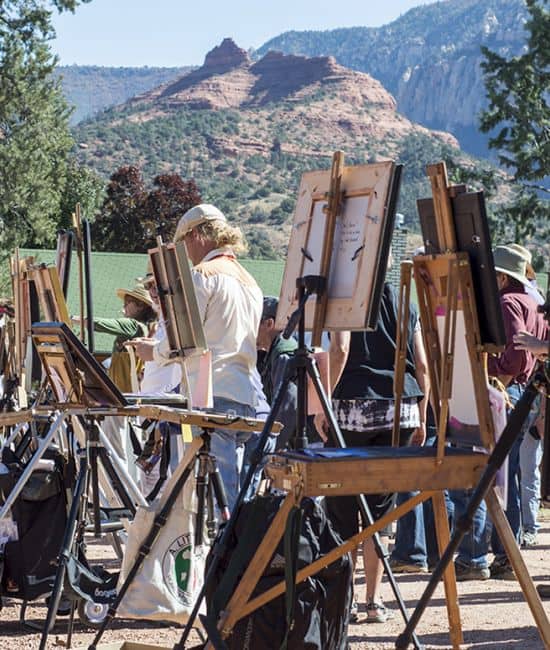
Sedona has a thriving art community, and it deserves more than a quick mention.
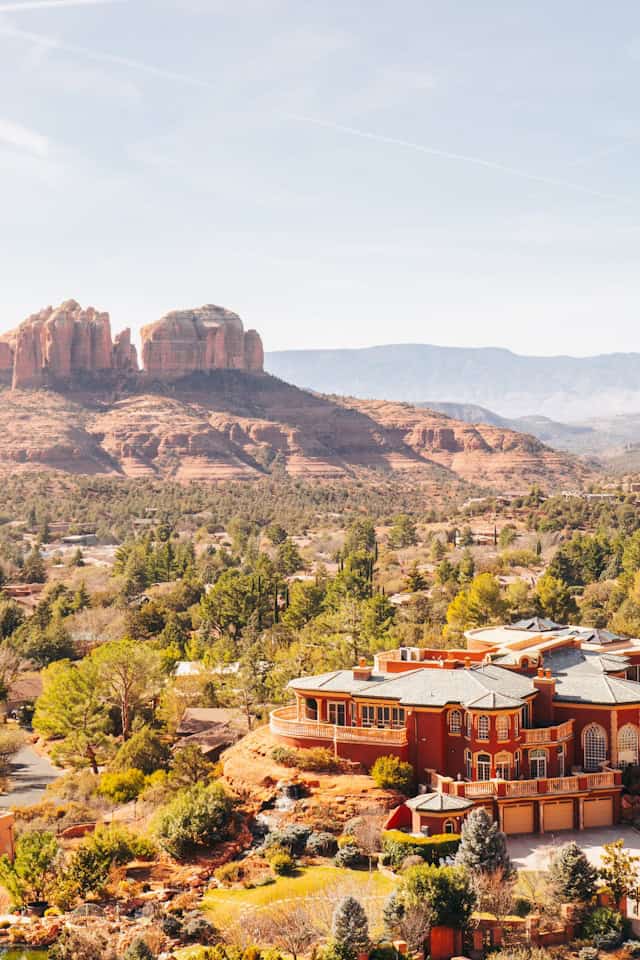
This is not surprising when you think about it. Places with dramatic landscapes often attract artists, and Sedona has been doing that for decades. The light, colour, texture, and scale of the red rocks seem almost designed to pull creative people into the area.
Tlaquepaque Arts & Shopping Village is one of the best-known places to begin. It is walkable, visually interesting, and filled with galleries, shops, courtyards, and Southwestern architecture.
But do not stop there.
Sedona has galleries throughout Uptown, West Sedona, Hillside Sedona, and other arts districts. You can find painting, sculpture, ceramics, jewellery, photography, textiles, glass, and Native American-inspired works.
Why go?
Because art gives you a different way to understand a place.
Hiking shows you the landscape.
Art shows you how people interpret it.
For retirees, lifelong learners, and curious travellers, Sedona’s art scene provides a slower, more reflective counterbalance to the hikes and jeep roads. It is also a good option for a rest day when your knees are suggesting that maybe Cathedral Rock was enough excitement for one trip.
6. Off-Road & E-Biking
Sedona’s landscape practically begs to be explored beyond the pavement.
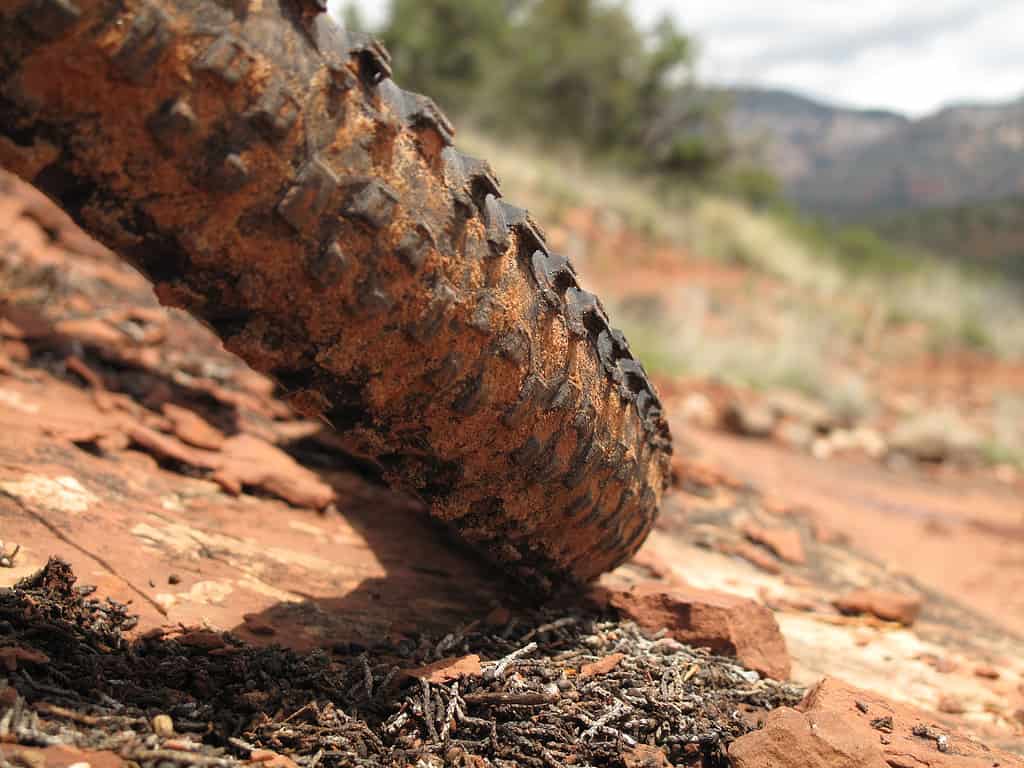
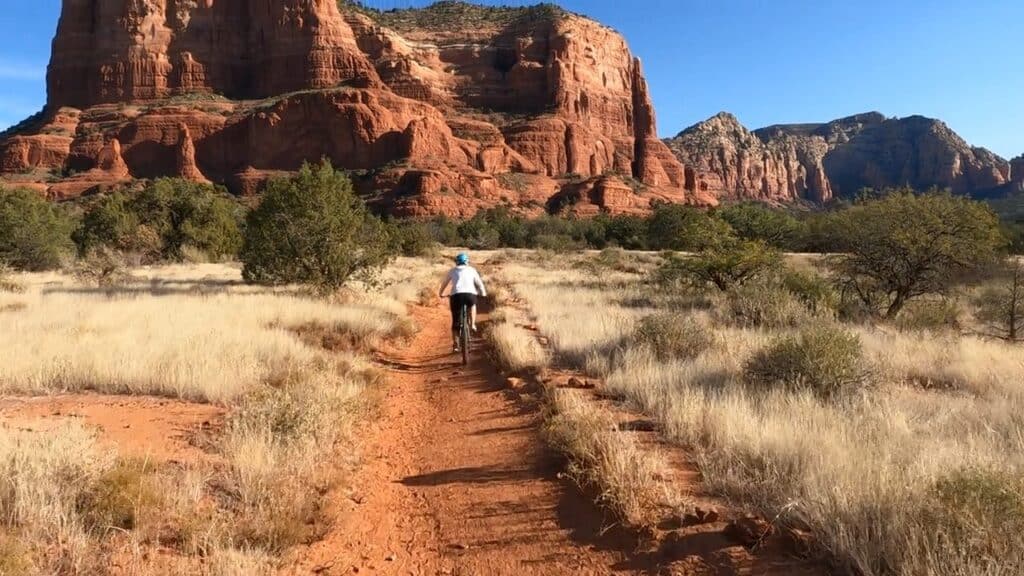
Jeep tours are one of the classic Sedona experiences. They allow visitors to reach rugged areas, learn about the geology and history of the region, and enjoy the scenery without personally needing to drive a rocky back road.
E-biking is another excellent option, especially for active older adults who want freedom without turning every hill into a personal fitness test.
Why go?
Because these activities expand your range.
Walking is wonderful, but it only takes you so far. A jeep tour or e-bike ride can help you see more of the area in less time, especially if you are visiting for only a few days.
E-bikes are particularly appealing for couples or groups with different fitness levels. One person may want a workout. Another may want to enjoy the ride without arriving at lunch looking like they just completed a survival challenge.
That flexibility matters.
Good travel experiences allow people to participate in different ways.
7. Day Trips: Nearby Attractions Worth Visiting
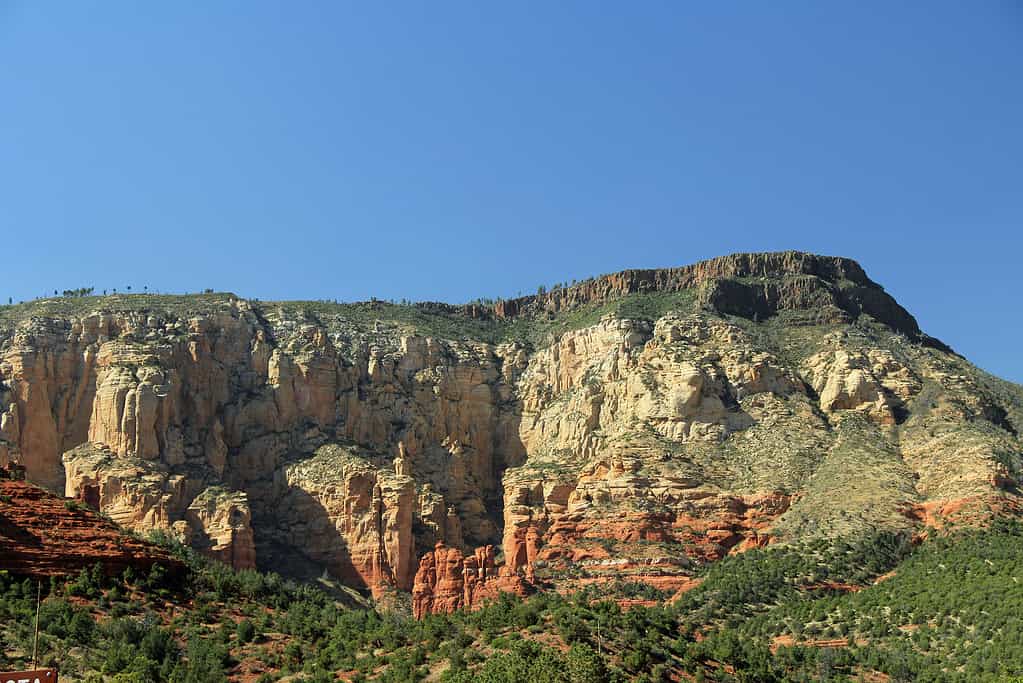
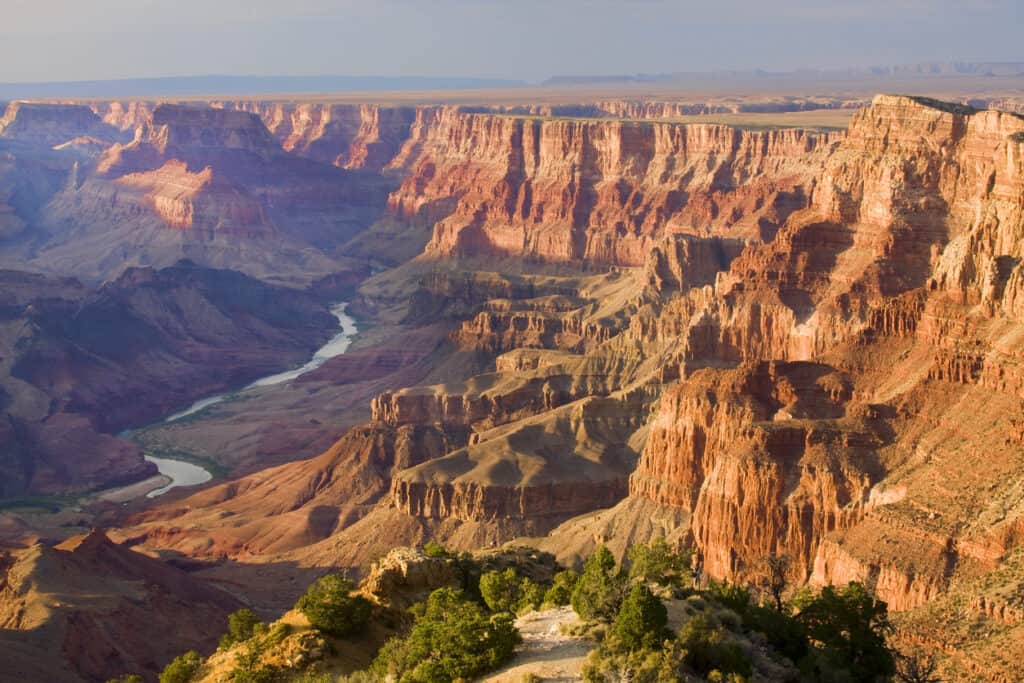
Sedona makes an excellent base for exploring northern and central Arizona.
The Grand Canyon is the big one, of course. It is one of the most famous natural wonders in the world and is absolutely worth seeing if you have the time.
But it is not the only worthwhile day trip.
Jerome, Cottonwood, Clarkdale, Montezuma Castle, Tuzigoot, Flagstaff, Oak Creek Canyon, and the Verde Valley all offer different experiences within reach of Sedona.
Why go?
Because Sedona is not an island.
It is part of a much larger region filled with history, culture, geology, and small-town character.
Day trips are also a good way to balance your visit. After a few days of red rock hiking, you may appreciate a historic town, a scenic train ride, a national monument, or a relaxed afternoon in a local winery or café.
The best Sedona trips often include a mix of famous landmarks and quieter discoveries.
8. Verde Canyon Railroad Adventure
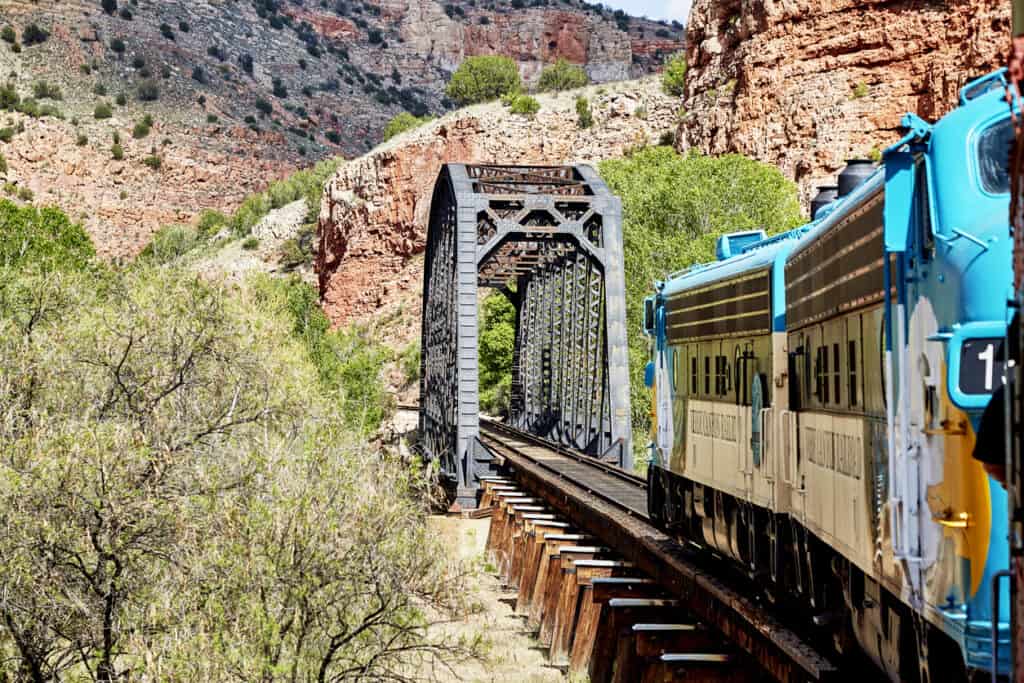

The Verde Canyon Railroad is one of the best day trips near Sedona if you want scenery without a strenuous hike.
Departing from Clarkdale, the train travels through Verde Canyon, following the Verde River through red rock scenery, desert vegetation, wildlife habitat, and historic rail corridors.
Why go?
Because trains change the pace of travel.
There is something wonderfully civilised about sitting back, looking out the window, and letting the landscape come to you. The Verde Canyon Railroad is especially good for travellers who want scenery, comfort, history, and a sense of old Arizona without needing to climb over rocks or navigate trail junctions.
For active older adults, this can also be a smart recovery-day experience.
You still get beauty.
You still get discovery.
You just get it sitting down.
And sometimes that is exactly what a good itinerary needs.
9. Dining Experience: Vibrant Culinary Options
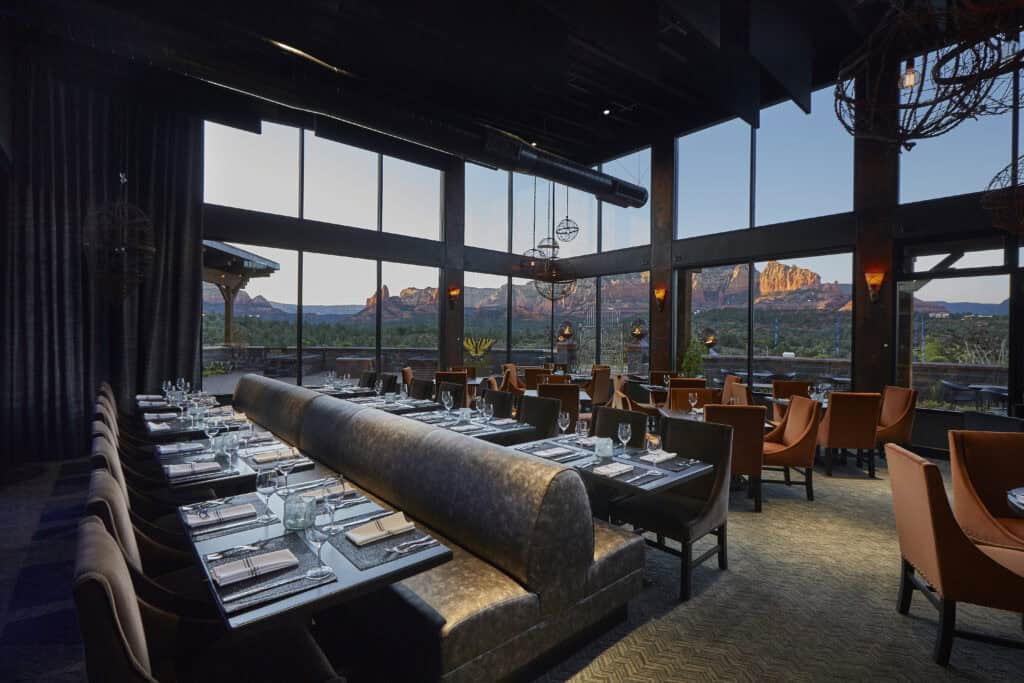

Sedona’s dining scene is part Southwestern, part wellness retreat, part art-town café culture, and part “I hiked today, please feed me properly.”
That combination works.
You can find everything from casual cafés and creekside patios to Southwestern cuisine, wine bars, fine dining, vegetarian options, and restaurants with views that make even a simple lunch feel like an event.
Why go?
Because food is part of how we remember travel.
A good meal gives you a pause point. It gives you a reason to sit still, talk about what you saw, and decide what tomorrow might look like.
For couples, friends, and small groups, meals often become the place where the day turns into a story.
The hike was good.
The wrong turn was funny.
The gallery was better than expected.
The spicy margarita may have been a mistake.
These are the things that make a trip memorable.
10. Shopping: Authentic Southwestern Americana and Native American Arts and Crafts
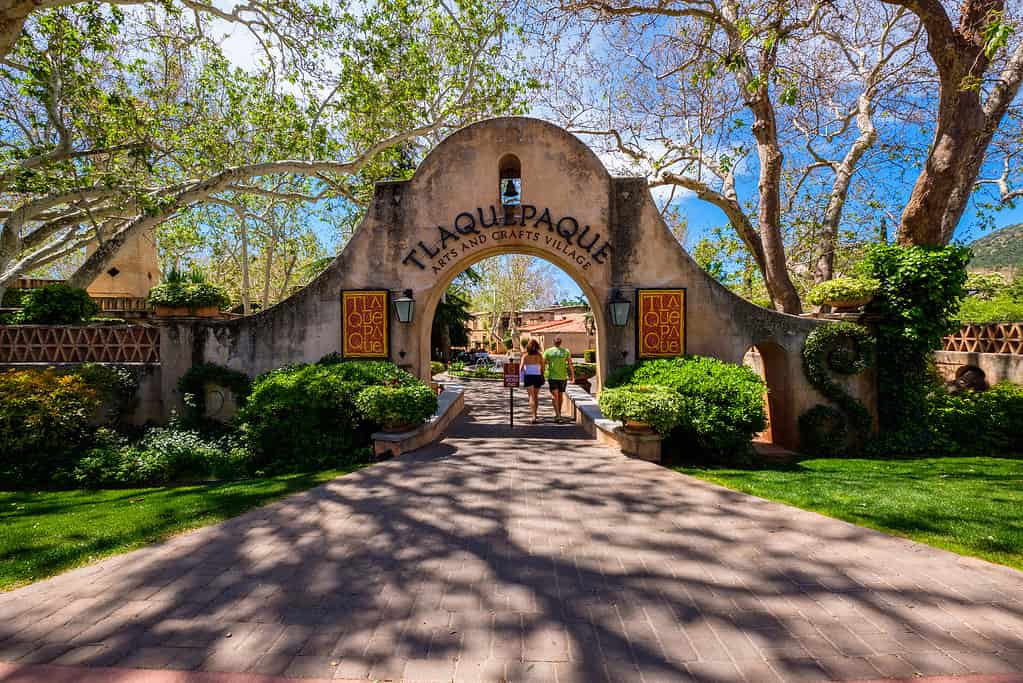
Shopping in Sedona can be much more interesting than the usual souvenir hunt.
Look for Native American jewellery, turquoise, pottery, textiles, local photography, handmade goods, sculpture, books, and Southwestern home décor.
Tlaquepaque is a good place to begin, but Sedona has shops throughout town that reflect the area’s mix of art, desert style, and regional culture.
Why go?
Because the right object can become a memory cue.
I am not talking about buying something expensive for the sake of buying something expensive.
I am talking about finding a piece that reminds you of the trip.
A small pottery bowl.
A photograph.
A handmade necklace.
A print from a local artist.
Something that carries the place home with you.
That kind of shopping is not about consumption.
It is about memory.
11. Water Activities
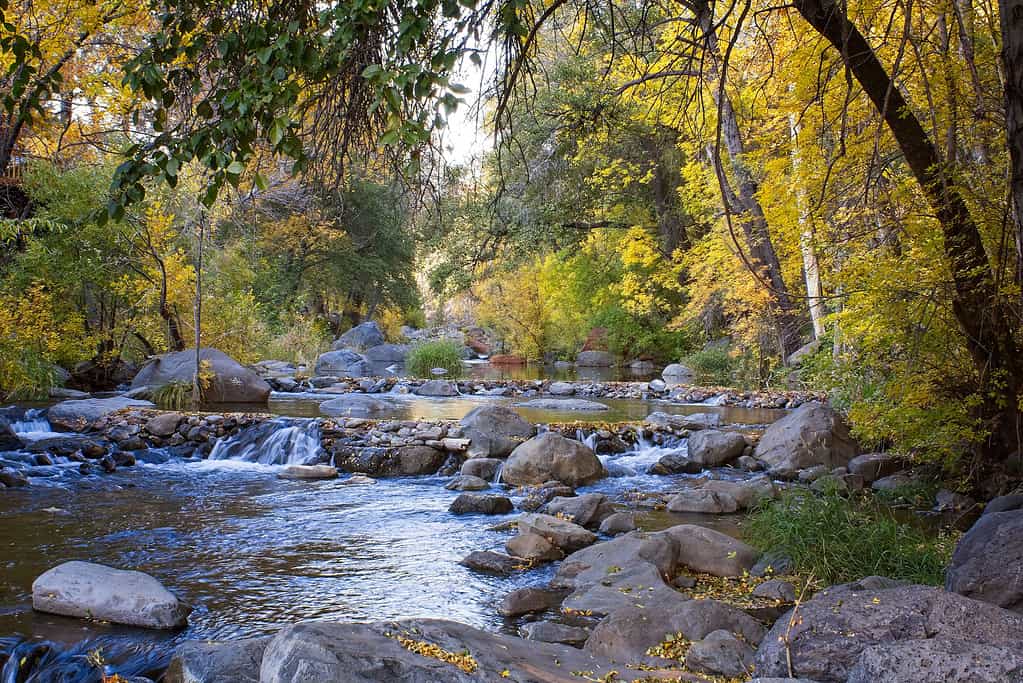
People sometimes forget that Sedona is not only red rock and desert.
Oak Creek adds a completely different dimension to the area.
Depending on the season and conditions, visitors can enjoy creekside walks, fishing, wading, swimming holes, picnicking, photography, and simply sitting near the water with no ambition whatsoever.
Why go?
Because water changes the mood of the desert.
After days of dry heat, red dust, and sunlit rock, Oak Creek feels like relief. The shade, sound, and movement of water create a softer version of Sedona.
This is especially valuable for older travellers who want active days but also understand the importance of pacing.
Not every travel experience has to be strenuous.
Sometimes the best thing to do in Sedona is find shade, listen to the water, and let the day slow down.
12. Hidden Gems
Sedona is popular, which means some places can feel crowded.
That does not mean the area has lost its magic.
It simply means you may need to be a little more intentional.
Hidden gems in Sedona are often not secret places. They are overlooked experiences.
A quieter trail.
A lesser-known viewpoint.
A small gallery.
A local café.
A side road.
A short walk at golden hour.
A picnic spot away from the busiest parking areas.
Why go?
Because travel is more satisfying when it includes discovery.
The most memorable moments are not always the famous ones. Sometimes they are the places you find because you left extra time, followed a recommendation, or took the road that looked interesting.
Sedona rewards that kind of curiosity.
13. Cactus & Botanical Gardens
If you are interested in desert plants, Sedona and the surrounding region offer opportunities to learn more about the plants that shape the Southwest.
Cactus, agave, yucca, juniper, piñon pine, wildflowers, and drought-adapted plants all contribute to the character of the landscape.
Why go?
Because understanding the plants helps you understand the place.
Desert landscapes are often misunderstood as empty.
They are not.
They are highly adapted, surprisingly diverse, and full of life if you slow down enough to look.
For gardeners, photographers, naturalists, and curious travellers, desert plant life can become one of the most interesting parts of the trip.
15. Visit Sedona’s Vortex Sites
Sedona is famous for its vortex sites, and whether you are deeply spiritual or mildly sceptical, they are part of the local experience.
Popular vortex areas include Airport Mesa, Cathedral Rock, Bell Rock, and Boynton Canyon.
Why go?
Because even if you do not feel anything mystical, you will still be standing in some of the most beautiful places in Sedona.
That seems like a win.
For some visitors, vortex sites are places for meditation, reflection, or spiritual connection. For others, they are simply dramatic landscapes with excellent views.
Either way, they encourage something that travel often does well.
They make you pause.
16. Take a Scenic Drive
Not every Sedona experience requires hiking boots.
A scenic drive through Oak Creek Canyon or along the Red Rock Scenic Byway can be a wonderful way to experience the landscape, especially if you are short on time or travelling with someone who prefers views without steep trails.
Why go?
Because scenic drives make Sedona accessible.
They allow more people to enjoy the area’s beauty regardless of fitness level, schedule, or weather.
They also create excellent opportunities for photography, short walks, picnic stops, and spontaneous detours.
Sometimes the road itself becomes the experience.
Tips for Visiting Sedona
Sedona is popular, and planning helps.
Go early if you want easier parking and cooler temperatures.
Bring water everywhere.
Wear real shoes.
Check trail conditions before you go.
Respect closures and private property.
Avoid hiking in washes, caves, or exposed terrain during storms.
Use official sources for current passes, road status, trailhead information, and safety updates.
Spring and fall are popular for good reason. The weather is generally more comfortable, and the landscape can be especially beautiful. Winter can be quieter and cooler. Summer can be hot, and monsoon storms can create flash flood risks.
Sedona is stunning.
It is also still the desert.
Plan accordingly.
Let’s Sum Up the Unique Things To Do in Sedona, Arizona
Sedona is not just a place to look at.
It is a place to explore.
That is what makes it so appealing for active older adults, curious retirees, and travellers who want more than a standard vacation.
You can hike to a cave, ride a scenic train, visit a ghost town, learn about ancient cultures, explore art galleries, wander through local markets, cool off near Oak Creek, or take a road trip through red rock country.
The best things to do in Sedona are not necessarily the most famous.
They are the experiences that make you curious.
The trail you almost skipped.
The gallery you wandered into by accident.
The small-town day trip.
The cave required a little effort.
The creekside lunch.
The viewpoint at the end of a quiet road.
Sedona rewards travellers who pay attention.
And maybe that is why it stays with people.
Not because it is beautiful.
Although it certainly is.
But because it invites you to keep exploring.
Cheers,
Cynthia
Founder | I’m Thinking of Retiring and Retire Active
Additional Reading
- Driving in Costa Rica: What Active Travellers Over 55 Need to Know
- Why Old-School Skills Matter More After Retirement
- Reflective Writing and Retirement: Why Writing Things Down Helps

Cynthia Ross Tustin is the founder of I'm Thinking of Retiring, an online publication exploring the psychology, purpose, and everyday realities of life after work. A retired Fire Chief, former ICU and Emergency Room nurse, instructor, and policy writer, she combines lived experience, research, and a lifelong curiosity about human behaviour to write thoughtful essays on retirement, identity, purpose, friendship, and the ordinary moments that quietly reveal something larger. Through her Retirement Field Notes and Ordinary Tuesday series, she encourages readers to approach this next chapter with curiosity rather than certainty.