If I’m Retired, Do I Still Need to Make My Bed?
Apparently…yes.
And it turns out that one small habit mattered far more in retirement than it ever did during my career.
Before I retired, I made my bed every day.
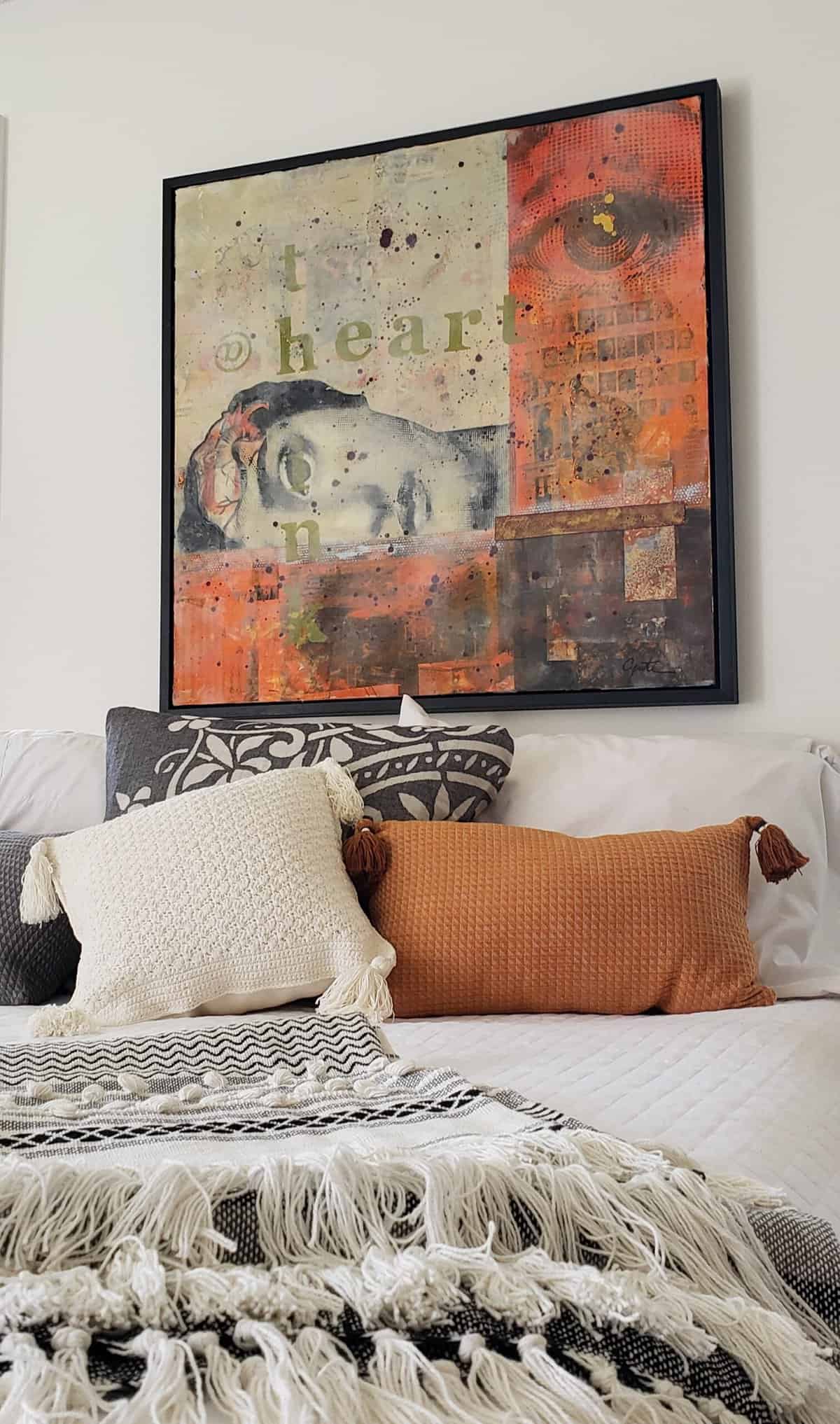
Nothing fancy. I mostly just yanked the covers into place and called it good enough. Mind you, my bed can look like one of those beautifully staged magazine photos with artfully layered pillows and expensive textiles from my friend’s store, Halliday House & Co. in Cookstown.
But honestly?
That level of effort is reserved for special occasions, overnight guests, or brief moments when I accidentally channel Martha Stewart.
Daily life is much less glamorous.
Still, I made the bed.
Then retirement arrived, and somewhere in my brain I apparently decided:
New life = no rules.
I stopped making the bed entirely.
Not just imperfectly.
Completely.
I didn’t even pull the covers up.
At first, it felt oddly liberating. Tiny rebellion. Retirement luxury. Nobody cared. No deadlines. No schedules. No reason to bother.
And then something strange happened.
After a few weeks, the unmade bed started bothering me far more than I expected.
Not dramatically.
Not rationally.
It just sat there every morning like some weird little psychological paper cut.
A low-grade irritation.
A mental itch I could not quite identify.
At first, I assumed it was simply part of retirement adjustment. One more strange emotional side effect nobody really talks about.
But eventually, I realized something important:
👉 When you retire, you do not just lose a job.
You lose the daily structure your brain has relied on for decades.
Was There Ever a Time I Didn’t Make My Bed?
Absolutely.
As a kid, I only made my bed when someone forced me to. Otherwise? Not a chance. I had far better things to do.
Then as a teenager, I worked at Millcroft Inn & Spa as a maid, where I made everybody else’s bed.
I even made Richard Gere’s bed.
Lee Majors’ bed.
And the beds of the entire cast of Second City — yes, including John Candy.
Very glamorous clientele.
Still beds.
Then came nursing.
I am a trained ICU trauma nurse. In nursing, bed-making is practically a professional competency. I spent years making beds…sometimes with people still in them.
So at home?
No thanks.
Except somewhere along the way, sometime in the 21st century, making the bed quietly became part of my own daily rhythm.
And oddly enough, I think William H. McRaven may be partially responsible.
Hey Admiral…Do I Still Need to Make My Bed?
Like many people, I watched Admiral McRaven’s famous speech about the surprisingly powerful psychology of making your bed first thing in the morning.
At the time, I mostly thought:
“Fine. I’ll try it.”
And honestly?
It worked.
Not because the bed mattered.
Because the rhythm did.
That is the part I completely underestimated when I retired.
When I knew retirement was approaching, I prepared for:
- hobbies
- travel
- projects
- writing
- this website
- and finding meaningful ways to stay engaged
What I did not prepare for was the loss of tiny invisible habits that had quietly organized my days for years.
I thought I needed: new hobbies.
What I actually needed was: familiar psychological anchors.
That weird “mental itch” I was feeling?
I honestly think it was habit withdrawal.
So retirement, in some ways, really is a little like quitting sugar.
At first, it feels freeing.
Then your brain starts wondering where all the familiar reinforcement went.
Small Habits Become Psychological Infrastructure
Making the bed is not really about the bed.
It is about structure.
In working life, structure is largely automatic:
- meetings
- schedules
- responsibilities
- routines
- expectations
- deadlines
- places to be
- people depending on you
Work acts like invisible scaffolding holding the day together.
Retirement removes much of that scaffolding overnight.
And when it disappears, life can suddenly feel:
- untethered
- strangely itchy
- or just slightly “off.”
Even when nothing is technically wrong.
That’s why small habits matter far more after retirement than many people realize.
Not because retirees need rigid discipline.
But because the human brain seems to function better with:
- rhythm
- familiarity
- repetition
- momentum
- and small moments of continuity
Tiny habits become psychological handrails.
They help people move through transition without feeling like everything changed all at once.
Rebuilding Before Reinventing
One of the mistakes many people make in retirement is assuming they need to completely reinvent themselves immediately.
New hobbies.
New routines.
New lifestyle.
New identity.
But the retirement transition often works better when people rebuild before reinventing.
And rebuilding frequently starts with surprisingly small things:
- morning walks
- coffee rituals
- exercise
- journaling
- gardening
- volunteering
- making the bed
Not because these habits are magical.
But because consistency creates grounding.
And grounding creates momentum.
Eventually, those small routines stop feeling like chores and start becoming something much more important:
👉 the foundation of a new life structure.
One small habit at a time.
Final Thought
So yes.
Apparently, even in retirement, I still need to make my bed.
Not because anybody is checking.
Not because Martha Stewart is hiding in my closet judging me.
But small rituals quietly help us rebuild stability during major life transitions.
And retirement, whether people expect it or not, is one of the biggest transitions most adults will ever experience.
So if retirement feels a little psychologically strange right now?
Start small.
Pull up the covers.
Then build from there.
Cheers,
Cynthia Ross Tustin
You May Also Enjoy
- Retirement May Be the Modern Midlife Crisis
Why retirement often triggers identity questions, emotional drift, and unexpected psychological adjustment. - Old-School Hobbies and the Surprising Psychology of Making Things With Your Hands
Why tangible hobbies, craftsmanship, and practical skills matter more after retirement than many people expect. - Are You Reinventing Your Life After Retirement — Or For Retirement?
Why retirement may be less about slowing down and more about consciously rebuilding identity, structure, and participation.
This post was influenced by science, psychology, and lived experience.
References
- Corey Keyes’ research on languishing and emotional well-being:
Mental Health Continuum Research — Corey Keyes - Behavioral activation and psychological well-being research:
Behavioral Activation Overview — Centre for Clinical Interventions - Habit formation and behavioral psychology research:
The Power of Habit — Charles Duhigg Overview - Retirement transition and psychological adjustment research:
National Institute on Aging — Retirement and Health

Cynthia Ross Tustin is the founder of I'm Thinking of Retiring, an online publication exploring the psychology, purpose, and everyday realities of life after work. A retired Fire Chief, former ICU and Emergency Room nurse, instructor, and policy writer, she combines lived experience, research, and a lifelong curiosity about human behaviour to write thoughtful essays on retirement, identity, purpose, friendship, and the ordinary moments that quietly reveal something larger. Through her Retirement Field Notes and Ordinary Tuesday series, she encourages readers to approach this next chapter with curiosity rather than certainty.