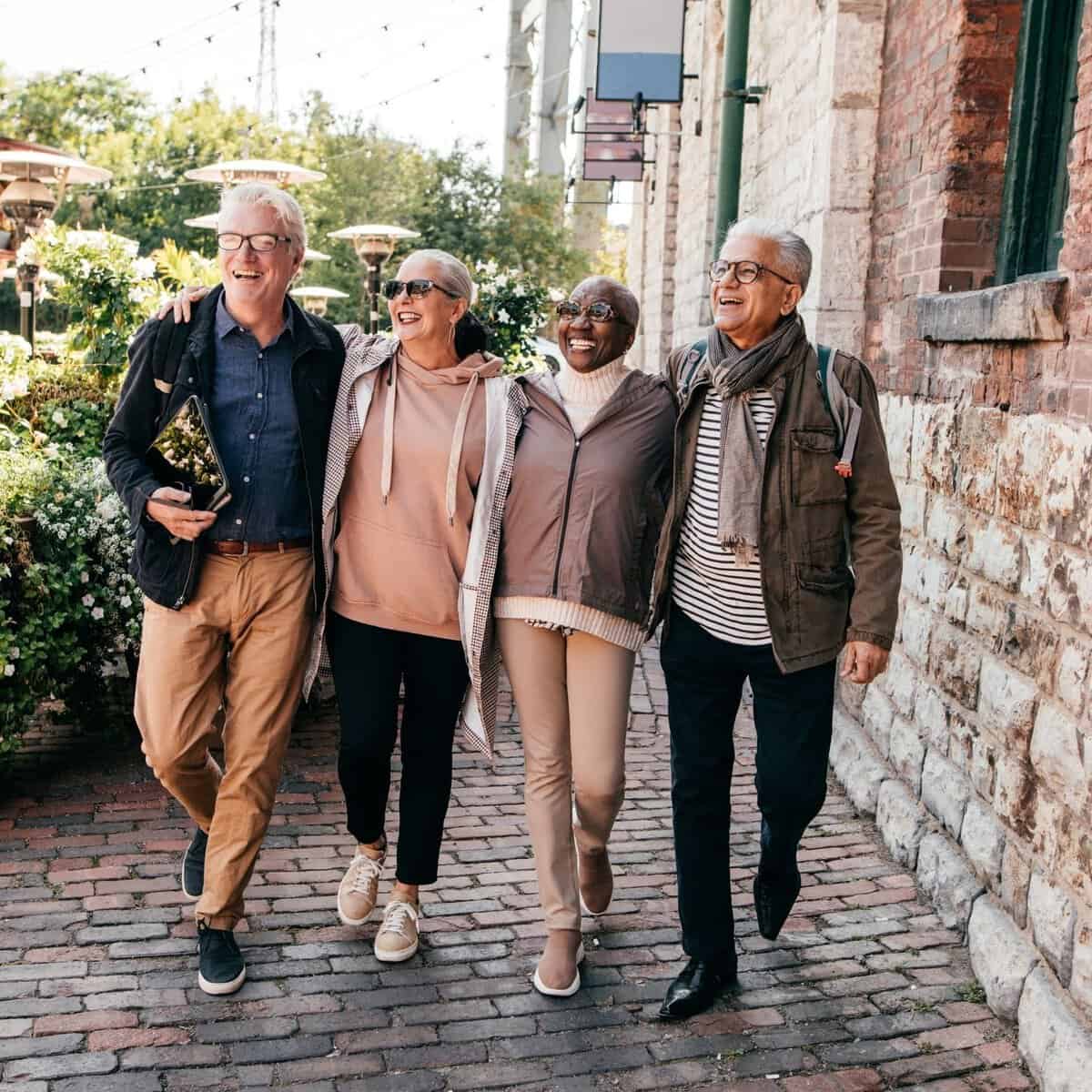

One of the best parts of retirement is finally having more freedom to travel. However, thinking about the need for travel safety tips for seniors isn’t as glamorous as the actual travel.
For many active adults, retirement creates opportunities to:
- explore new places
- visit family and friends
- travel internationally
- take longer trips
- and experience adventures that you once had to wait for vacation time
But travel after 55 often feels different from what it did at 25.
Not necessarily smaller.
Just more intentional.
At twenty-five, I would sleep three hours, eat questionable street food, miss flights, haul backpacks across countries, and somehow still function the next morning.
Now? I prefer decent coffee, good shoes, enough sleep, and a hotel room that doesn’t require climbing four flights of stairs after a twelve-hour travel day.
Honestly, I consider this growth.
Comfort matters more.
Energy matters more.
Preparation matters more.
But that doesn’t mean travel becomes smaller.
In many ways, it becomes better — slower, more intentional, and far less rushed than it once was.
And with a little preparation, it can also feel remarkably safe and stress-free.
In fact, a few simple habits can dramatically reduce stress, improve confidence, and help you enjoy your trip far more fully.
After years of travel — and a career spent in emergency services and healthcare — I have learned that most travel problems are preventable long before they become emergencies.
Here are some practical travel safety tips for seniors that can help you travel smarter, safer, and with more confidence.
1. Plan Your Arrival Before You Leave
One of the most common travel mistakes happens before the trip even begins.
Many travellers spend weeks researching attractions, restaurants, excursions, and, most importantly, accommodations.
But very little time is spent planning what happens immediately after arrival.
Transition points such as:
- airports
- train stations
- taxi stands
- and hotel check-ins
These are where travellers are often the most distracted and vulnerable.
Before you leave home, you should consider pre-arranging transportation if possible. And that could include things like who are the reputable taxi companies (and don’t assume all countries have Uber). Make sure you’ve saved your hotel address offline somewhere, like a good old-fashioned piece of paper.
Make sure you keep your important documents easily accessible. Avoid unfamiliar areas late at night. And, the often forgotten piece…now the address and contact info for your embassy or consulate.
A calm arrival changes the tone of the entire trip.
2. Try Not to Travel Looking Overwhelmed
This does not mean you need to “blend in perfectly.”
It simply means:
👉 move confidently and stay aware of your surroundings.
Travellers become easier targets when we appear distracted, confused, overloaded with bags, or unaware of where we are going
Simple habits help:
- avoid displaying expensive jewelry
- Keep valuables close to your body
- carry only what you need for the day
- Avoid placing wallets or phones in back pockets
- Use cross-body bags or money belts when appropriate
Confidence and awareness are often your best safety tools.
3. Protect Your Important Documents
Losing things like passports, medications, travel documents, or your credit cards can turn a great trip into a stressful one very quickly. So, before travelling, I try to do the following:
- make paper copies of important documents
- Save digital copies securely online
- separate backup cards from primary cards
- Share your itinerary with someone you trust
- and leave anything that’s regularly in your wallet, but doesn’t serve the trip, at home
I also recommend keeping, and I’ve learned to keep emergency contact numbers, medication lists, and travel insurance information easily accessible.
Preparation creates peace of mind.
4. Pay Attention to Fatigue
This is one of the most overlooked travel safety tips for seniors (I prefer to think of myself as mildly vintage).
Fatigue affects:
- judgment
- balance
- awareness
- hydration
- patience
- and decision-making
Long travel days, time changes, heat, crowds, and poor sleep can wear people down quickly.
And many travel accidents happen when people are rushed, overtired, dehydrated, or simply trying to do too much. Probably not a coincidence that these can be major contributors to falls as well. (And I hate to sound like my grandmother, but for the love of God, wear sensible shoes.)
Travel becomes far more enjoyable when you pace yourself realistically. sp try and leave room for some rest, flexibility, slower mornings, and recovery time after long flights or busy excursions.
Retirement travel should feel enriching — not exhausting. One of the unexpected gifts of retirement travel is finally having enough time to experience places instead of simply passing through them.
5. Stay Active While You Travel
Movement matters while travelling. Everyone knows that long flights, bus rides, and extended sitting can increase stiffness, fatigue, swelling, and circulation problems. Oh, and crankiness…so much crankiness!
Simple movement can help. Walk during layovers, stretch regularly, stay hydrated, take breaks during long drives, and remain physically active during your trip.
One of the unexpected benefits of active retirement travel is that movement often improves:
- mood
- energy
- and overall well-being
You do not need intense workouts. Consistency matters more than intensity.
6. Be Careful With Public Wi-Fi and Credit Cards
Travel scams have become increasingly sophisticated.
Whenever possible:
- Avoid accessing sensitive financial information on public Wi-Fi
- Use secure hotel networks
- Monitor credit card activity regularly
- Notify your bank before international travel
- Avoid carrying large amounts of cash
And when paying at restaurants or shops, keep your card in sight whenever possible. Small precautions matter.
7. Choose Accommodations Carefully
Where you stay affects both comfort and safety. Your pre-booking homework should include:
- Read recent reviews carefully
- Research the surrounding neighborhood
- Check walkability and transportation access
- Confirm elevator access if needed
- and prioritize reputable accommodations over “cheap deals.”
Once inside your room, use the safety features that are provided. Use the door locks and safes. Know where the fire and emergency exits are located. And avoid opening the door to strangers. Good accommodations with security features reduce stress significantly.
8. Trust Your Instincts
This may be the most important advice in this article.
If a situation feels wrong, if a street feels unsafe, if a driver seems questionable, or if something simply feels “off,” then listen to that instinct. Most experienced travellers eventually learn that you rarely regret being cautious. This is something solo female travelers had to learn decades ago, but many people regret ignoring their intuition.
You Don’t Need to Travel Fearfully
Travel remains one of the great opportunities of retirement.
It creates:
- curiosity
- movement
- connection
- perspective
- and memorable experiences
The goal is not to become fearful or overly cautious.
The goal is simply to travel with:
- awareness
- preparation
- and confidence
Because a little preparation allows you to focus on what matters most:
👉 enjoying the experience.
Related Reading
The Science of Retirement Transition: Why It Feels Harder Than Expected—and What Actually Helps
Airport Departure Taxes Explained: What Travelers Need to Know Before They Leave
Low-Impact Fitness Activities After 55
Fixed Income Travel: The Best Tips for Retirees
Ice Fishing In Ontario – Here’s What Seniors Need To Know For 2023

Cynthia Ross Tustin is the founder of I'm Thinking of Retiring, an online publication exploring the psychology, purpose, and everyday realities of life after work. A retired Fire Chief, former ICU and Emergency Room nurse, instructor, and policy writer, she combines lived experience, research, and a lifelong curiosity about human behaviour to write thoughtful essays on retirement, identity, purpose, friendship, and the ordinary moments that quietly reveal something larger. Through her Retirement Field Notes and Ordinary Tuesday series, she encourages readers to approach this next chapter with curiosity rather than certainty.