Actually, Determination Gave Him Three
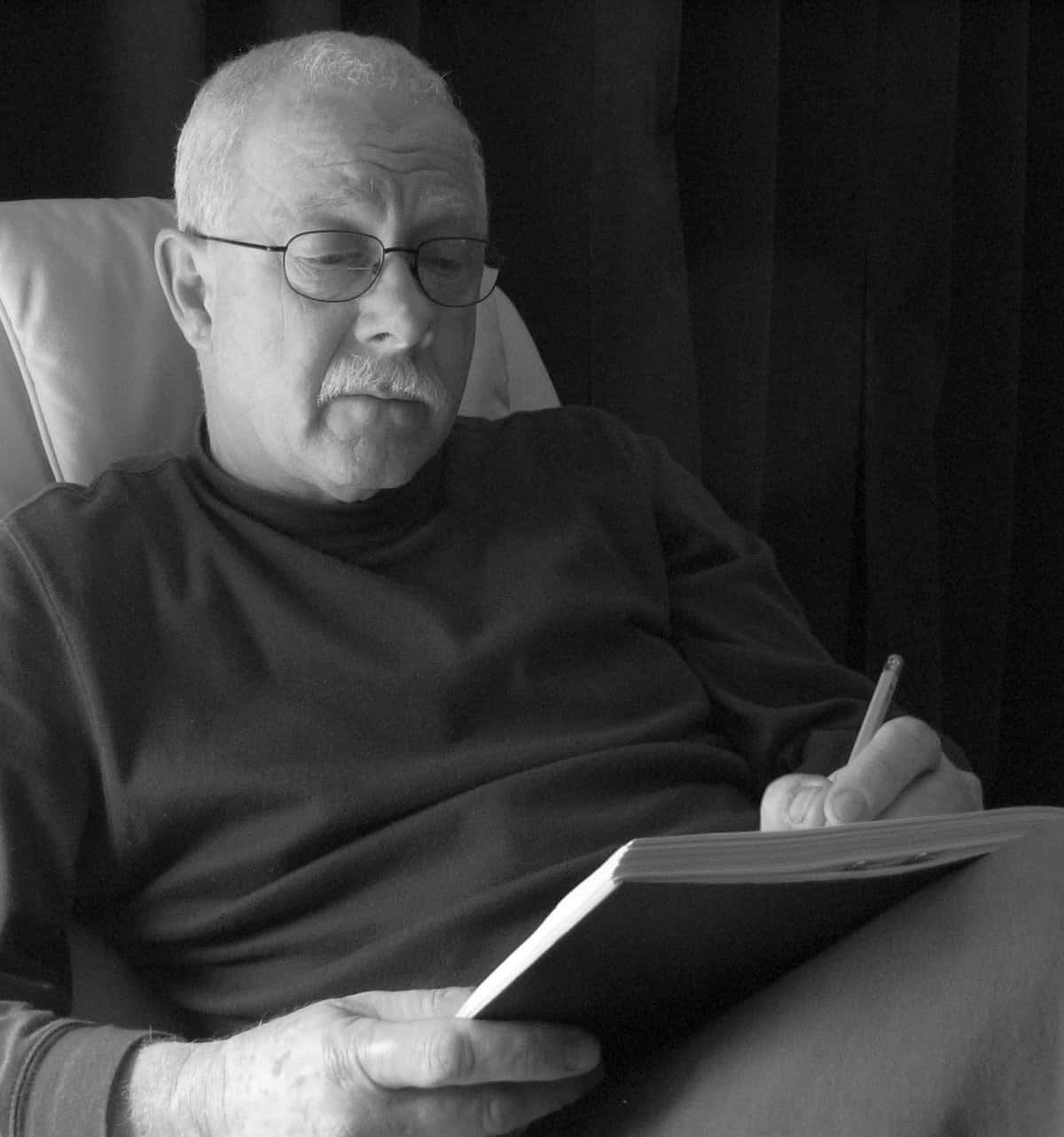
One of my original blog posts, from 2021, was about writing in retirement, and it was entitled Canadian Author, And The Very Last Renaissance Man. A colleague from the fire service, who was always a fascinating guy, retired early…and became even more interesting. At the time of the original interview, he’d accomplished exactly what he had been determined to do from the get-go. Write a book.
And now, with the time that writing in retirement provides, and Bill’s usual determination, he’s written two more books. I have always admired Bill’s sense of absolute certainty. He remains certain; that determination is what got him through it. And he firmly believes that if you have the desire to write a book…you too can do it.
Books from the author, William Efford
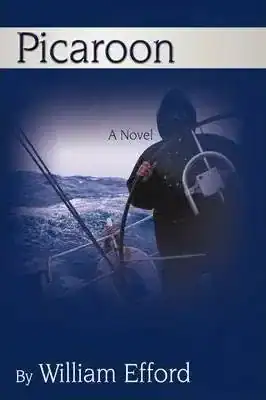
After a bitter divorce leaves Andrew Kincaid’s life in ruins, the forty-one-year-old former sailor walks away from everything he knows. Quitting his New York job, he outfits a thirty-eight-foot yacht and sets off alone on an ambitious 20,000-mile voyage around Cape Horn, across the Pacific, and on to Australia. Along the way, towering seas, dangerous reefs, and remote ports test both his sailing skills and his resolve.
But the greatest challenge isn’t on the water. A chance shore leave in South America brings Kincaid face to face with Kate Devonshire, a fiery Australian fugitive running from her own troubled past. Their unexpected romance draws him deep into the Australian outback, where a shocking crime changes both of their lives forever.
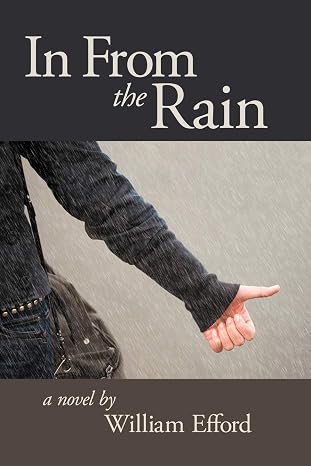
“Haunted by memories of his wife’s tragic death, fifty-year-old English professor Howard Munro resigns his tenure to take a teaching position on the West Coast. En route in his motor home, he picks up a hitchhiker, Miriam Kovacs—mid-thirties, unemployed, and pregnant.
The two are social opposites: Munro—successful, educated, and pro-life; and Kovacs—high school dropout with a long history of failed relationships, and determined to abort her pregnancy. Yet despite these differences, their journey will be a life-changing event: Munro enjoys the first female companionship since his wife’s death, and Kovacs, an unsophisticated woman, experiences a broadening of her narrow horizons.”
“Homophobic bullying in high school and rejection by her devoutly religious parents become final straws for eighteen-year-old Laura Baker. She flees the hard rock mining town of Northern River to pursue her passion: photography. Relentless dedication to her art brings wealth and international acclaim as a portrait photographer to the rich and famous—but a tragedy in her past prevents her from forming a loving relationship. Burdened with guilt from her strict religious upbringing, she struggles to come to terms with her sexuality and spirals into alcoholism and drug abuse. After therapy and rehab, she embarks on a retreat for further healing, but gets more than she bargained for. When a dark force threatens to destroy Laura, a benevolent one intervenes, bringing her joy, spiritual peace, and acceptance within a new community.”
William Efford – Guest Essayist
In 2004, I retired from a 34-year career in Ontario’s fire service, the last half of which was with the Ontario Fire Marshal’s Office. I now had the luxurious advantage of time to work toward my goal of writing a novel in retirement. And that’s something I’d had in mind for a long time.
Believe it or not, I credit the training and experience from my fire service career for equipping me with two other important advantages: attention to detail and the determination to finish a job.
Before I sat down to write, I was aware of what the writing industry research showed: that only 3% of people who attempt to write a novel actually complete their manuscript. And that less than a third of these people will fail to go the further distance and get published!
As books on the art of novel writing show, there are an infinite number of details that go into crafting a good story for readers that is not only entertaining, but factually accurate.
When it came to choosing a topic for that first novel, I turned to an interest I’d had for years: sailing.
Throughout the 1970s I had been a recreational sailor, first in a boat I had built, and then in a larger live-aboard one for which I had rigged a self-steering gear for distant trips. As an avid reader, I had read the detailed accounts of various solo oceanic sailors from Joshua Slocum, the first person to circumnavigate the world, to Sir Francis Chichester and others. So, with this, along with my personal experience of sailing, I decided to write Picaroon, a solo trans-oceanic adventure voyage.
Accuracy was paramount. I owed that to my readers. Before starting on the story itself and given the scope and distance of the journey, I spent a year doing intensive research into many aspects: the world’s wind patterns and ocean currents, the sea and land creatures that the protagonist encountered, details of the ports visited, port-of-entry and customs regulations, navigation and tidal factors, coral reef hazards and a myriad of geographic details of every stopover.
The volume of research needed to create an authentic story became a learning journey in itself. For example, tourists who visit the Galapagos Islands – as my protagonist would – are asked to clean their shoes so they don’t bring contaminants into the ecosystem. And for similar reasons, before foreign sailors can dock in Australia, they must first have the hulls of their vessels cleared of marine growth. If I were to give my readers an authentic armchair sailing experience to distant places, then I had to learn a great many details, and as a writer, the research itself became an adventure.
Some of my most gratifying feedback came from readers who found my descriptions so vivid, they felt like they were actually on board Picaroon with Andrew. A British reader who had been to some of the places in the story assumed I had been there myself. I hadn’t, of course, but was glad I had researched locations meticulously.
______________________
My wife and I love to travel, and have done so extensively across the U.S., including the desert areas of the American Southwest. We had travelled by RV and camped in many places. That time spent traveling leisurely has often led us to the serendipitous meeting of strangers. And we have been the lucky recipients of many an act of kindness…the willingness to be open. Sometimes when this happens, the experience can be a life changer for both people.
And that’s why I chose to open In From the Rain with the following quote by the French-American Quaker missionary Etienne de Grellet du Mabillier.
“I expect to pass through this world but once; any good thing therefore that I can do, or any kindness that I can show to any fellow creature, let me do it now; let me not defer or neglect it, for I shall not pass this way again.”
I had kept a daily journal and had a large collection of photos. I used our travels as the resource for the cross-continental journey of the “In From the Rain” characters. The characters may be fictional; everything else is factual from our expeditions.
______________________
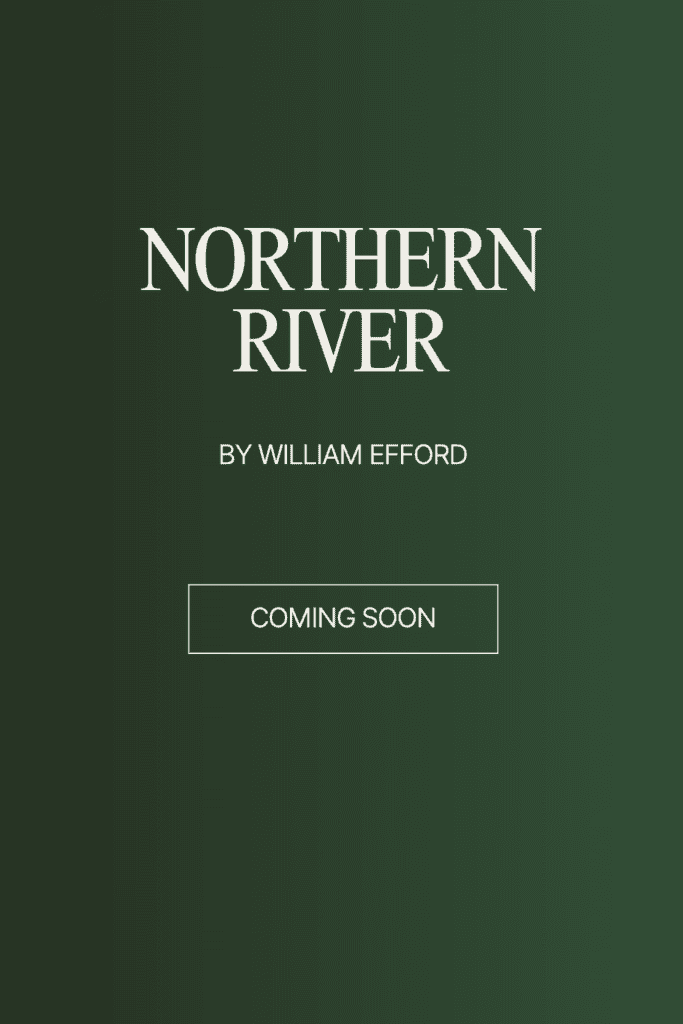
My third novel, Northern River, took me somewhere entirely different.
Unlike my first two books, this story didn’t begin with a lifelong hobby or years of travel. It began with two discoveries that stayed with me.
The first was a scholarly paper by Saskatchewan social worker Jill Alaers describing the traditional Indigenous understanding of Two-Spirit people and the acceptance of gender and sexual diversity within many First Nations communities. It introduced me to a perspective that stood in stark contrast to the intolerance brought by European settlement.
The second was far more personal.
I learned about Jamie Hubley, a teenager from Ottawa who died by suicide after enduring relentless bullying because of his sexual orientation. A photograph of Jamie and his father, smiling together before the tragedy, stayed with me long after I first saw it.
Those two discoveries sent me down another year of research.
I immersed myself in the history of Indigenous culture, Two-Spirit traditions, and the challenges many 2SLGBTQ+ people continue to face today. Before I began writing, I contacted Jill Alaers to discuss the project. She encouraged me to move forward.
Like my previous novels, research became the foundation of the story.
I hope that Northern River not only entertains readers, but also encourages greater understanding, compassion, and appreciation for both Indigenous culture and the resilience of those who have struggled to find acceptance.
____________________
Lifelong skills are definitely transferable.
In retrospect, I feel it was working for years within a disciplined and multi-faceted profession like Ontario’s fire service that helped me to not only turn my energies toward the challenge of novel writing, but also helped me ‘go the distance,’ so to speak, and get published.
Looking back, I think my years in Ontario’s fire service prepared me for writing in ways I never expected. The profession demanded discipline, curiosity, careful observation, and a commitment to continuous learning. Novel writing required the same qualities. In both careers, the work is never really finished until you’ve gone the distance.
Watch for Northern River this fall.
You can watch for Bill’s latest book on Amazon or Goodreads. And when it comes out this fall, there will be a link in my newsletter.
Cynthia Ross Tustin is the founder of I'm Thinking of Retiring, an online publication exploring the psychology, purpose, and everyday realities of life after work. A retired Fire Chief, former ICU and Emergency Room nurse, instructor, and policy writer, she combines lived experience, research, and a lifelong curiosity about human behaviour to write thoughtful essays on retirement, identity, purpose, friendship, and the ordinary moments that quietly reveal something larger. Through her Retirement Field Notes and Ordinary Tuesday series, she encourages readers to approach this next chapter with curiosity rather than certainty.